-

·
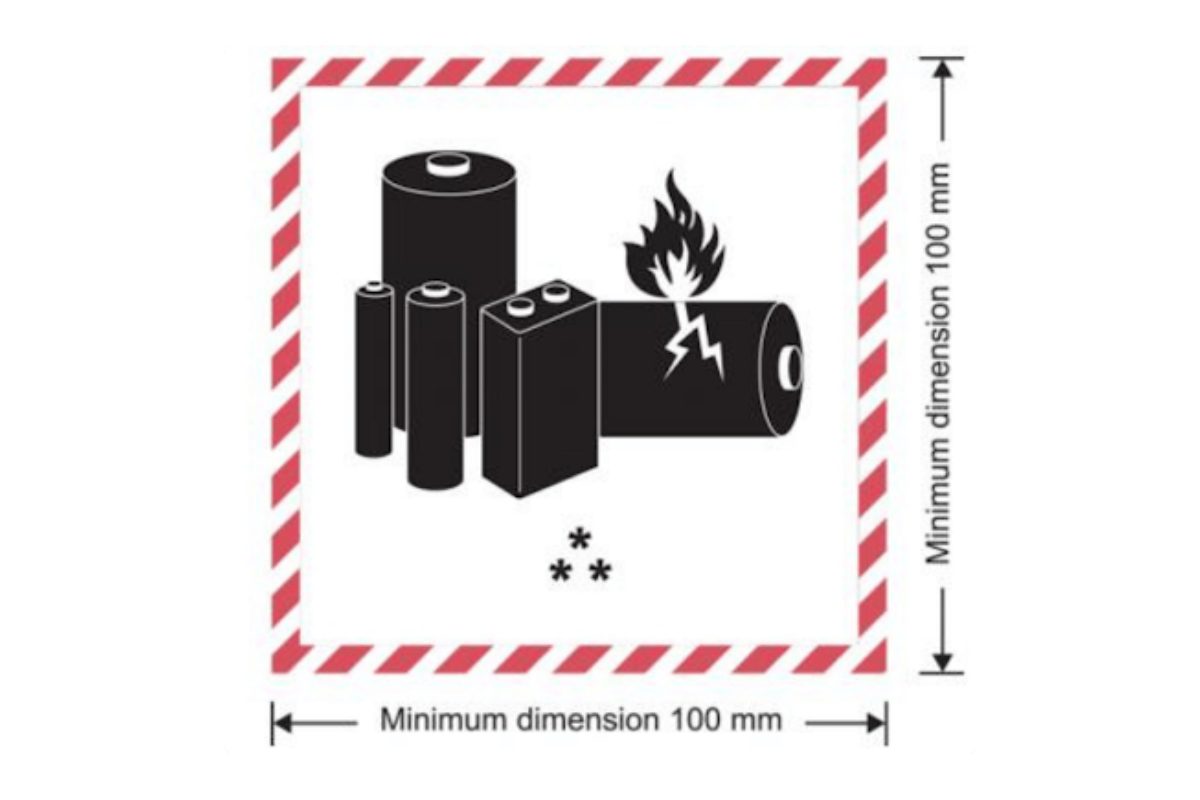
Labeling Requirements: Navigating the Evolving Packaging Requirements for Lithium-Ion Batteries
Article Summary The Labeling Mistakes That Could Cost You Your Business Lithium-ion batteries are no longer fringe cargo. They’re in everything from phones to forklifts, and if you’re shipping them, your packaging better announce exactly what’s inside. Regulators don’t care if you’re new to hazmat. They care if your battery catches fire mid-flight. Labeling is…
-
·
Responding to a Notice of Probable Violation
Article Summary A Notice of Probable Violation (NOPV) from the DOT is serious—but it’s not the end of the road. This formal notice outlines alleged violations and potential penalties, and it starts a strict 30-day countdown for your response. Your Options Under 49 CFR Part 107, Subpart D Within 30 days of receiving the NOPV,…
-
·
Preparing for a DOT Enforcement Visit
Article Summary Seeing a DOT inspector at your door can be nerve-wracking—but it doesn’t have to be. With the right preparation, your team can handle an inspection with confidence and even use it as an opportunity to improve. Why Inspectors Show Up Common triggers for inspections include: Your Inspection-Readiness Plan What to Remember During the…
-
·
Decoding DOT Incident Reporting Rules
Article Summary The DOT doesn’t leave incident reporting to guesswork—there are clear rules on when and how to report hazardous materials incidents. Found in 49 CFR Part 171, Subpart B, these regulations define which events require immediate reporting, which need follow-up documentation, and who’s responsible for filing the report. §171.15 – Immediate Reporting for Serious…
-

·
Key Requirements and Best Practices for Complying with the U.S. Department of Transportation Regulations
Article Summary The Thin Line Between Compliance and Catastrophe If you think DOT regulations are just bureaucratic paperwork, you are already behind. The U.S. Department of Transportation rules aren’t there to make your life harder. They’re designed to keep your shipments from becoming liabilities. Every year, companies are blindsided by inspections that reveal their operations…
-

·
The Top HazMat Violations that Could Cost Your Company Thousands
Article Summary The Cost of Complacency If you’re running a business that ships hazardous materials and you’re not obsessing over compliance, you’re playing Russian roulette with your company’s future. It’s not a matter of if you’ll get caught, it’s when. And when that happens, it’s not just being on the Department of Transportation’s radar. You’re…
-
·
Why Monitoring Hazmat Incidents Protects Your Business
Article Summary When it comes to hazardous materials transportation, ignorance is not bliss—it’s a compliance risk. Many shippers assume they’ll be informed if their shipment is involved in an incident, but that’s rarely the case. Most incident reports are filed by the carrier, and shippers may never hear about them unless they actively look. …
-

·
HazMat Safety Consulting Welcomes Paul L. Stancil, Former National Transportation Safety Board Senior Investigator, to Expand Regulatory and Investigative Expertise
Waxahachie, TX – September 10th, 2025 HazMat Safety Consulting (HSC), a leading authority in dangerous goods regulatory compliance and risk management, announces that Paul L. Stancil has joined its team of experts. With 47 years of experience in hazardous materials investigations and environmental law enforcement, Stancil brings nationally recognized expertise in technical investigations and regulatory…
-

·
Americase to Speak on Sustainable Data Center Decommissioning and Host Industry Networking Event at 2025 OCP Global Summit
Waxahachie, TX – September 10, 2025 – Americase, a leading manufacturer of protective containers for hazardous materials and high-value goods, will connect with industry leaders and share critical insights at the upcoming OCP Global Summit in San Jose, California. On Wednesday, October 15, 2025, from 4:10 PM to 4:25 PM, Chris Egloff, VP of Strategic…
-

·
Americase to Host International Lithium-Ion Battery Safety, Regulations and Innovation Symposium in Waxahachie, Texas
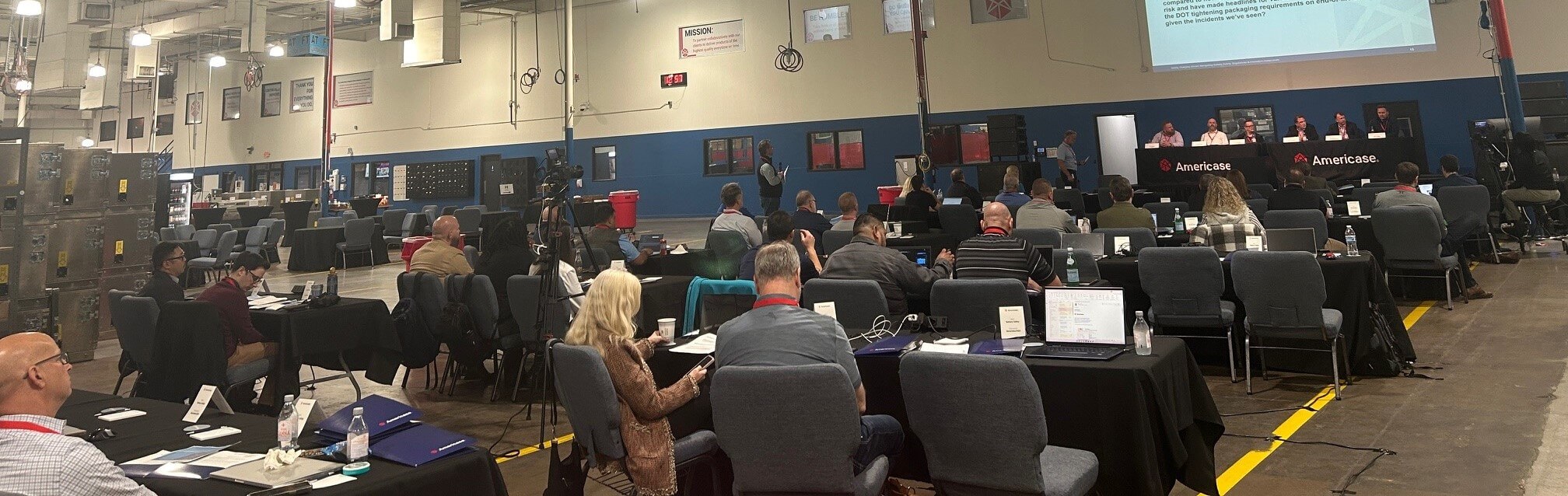
Two-Day Event Features Live Battery Safety and Packaging Performance Demonstrations, Regulatory Updates, and Expert Panels Waxahachie, TX (September 8, 2025) – Americase, a global leader in the design and manufacture of custom packaging solutions for hazardous materials and high-value goods, announced it will host the Lithium-Ion Battery Safety, Regulations & Innovation Symposium in partnership with…
-
·
Following the Breadcrumbs to Enhance Hazmat Safety
Article Summary Using the trail of breadcrumbs from Hansel and Gretel as a framing device, this article, from Bob Richard, Vice President at HazMat Safety Consulting, argues that hazmat compliance failures are rarely caused by a single mistake — they’re usually the end point of a chain of small clues, documentation gaps, inconsistencies, and procedural…