-

·
The Smarter Way to Store Lithium Batteries
Global rules, air restrictions, and carrier pressure are reshaping lithium battery shipping. Learn what manufacturers need to know to stay compliant.
-

·
Going Global – Navigating International Hazardous Materials Regulations
Navigate international hazardous materials regulations with confidence. Learn how global standards, documentation, and expert guidance prevent delays.
-
·
From Transport to Workplace – Understanding HazCom 2024 & GHS
Understand HazCom 2024 and GHS requirements, from workplace labeling to SDS and training, and learn how they differ from dangerous goods transport rules.
-

·
How to Ship Chemicals and Dangerous Goods Without Breaking the Law
Learn the essential steps for shipping chemicals and dangerous goods legally, from classification and packaging to labeling and documentation.
-

·
Safe and Sustainable: Balancing Environmental Responsibility with Hazmat Transport Regulations Compliance
Article Summary This white paper argues that safety and sustainability in hazmat transportation are not competing priorities but complementary design goals when packaging is engineered correctly from the start. It walks through the regulatory landscape governing hazmat transport packaging — DOT/PHMSA rules, 49 CFR Parts 171–178, the UN Model Regulations, the IMDG Code, IATA DGR,…
-

·
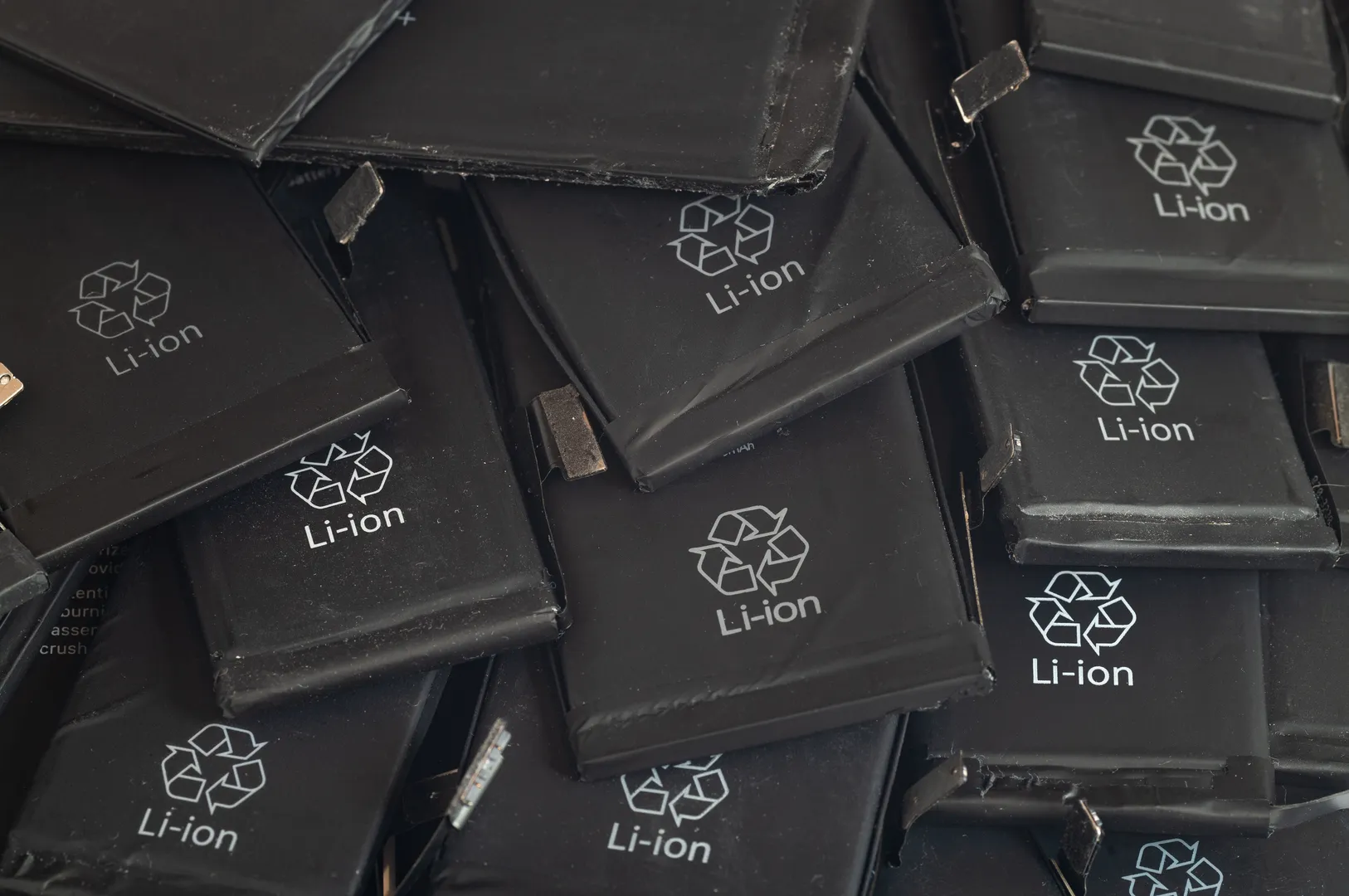
Lithium-Ion Battery Recycling: Transporting and Storing Recovered Materials
Article Summary As demand for lithium-ion batteries surges across EVs, renewable energy storage, and electronics, end-of-life recycling creates its own safety challenge, one that starts well before batteries reach a recycling facility, during collection, transport, and storage. This article makes the case that even non-defective, end-of-life batteries can experience thermal events if mishandled, and that…
-

·
What Are the Key Hurdles in EV Battery Transport?
Article Summary Navigating EV Battery Transport: U.S. vs. International Standards When transporting large format batteries, packaging requirements vary significantly depending on whether you are shipping within the United States or internationally. Understanding these differences is critical for compliance and safety. U.S. Requirements: A Looser Standard In the U.S., the current rules for large format batteries…
-
·
What Are the UN 38.3 Transportation Testing Requirements for Lithium-Ion Batteries?
Article Summary UN 38.3 is the testing framework that determines whether a lithium-ion battery is safe to transport under global shipping regulations, and this article breaks down exactly what it covers. It walks through the eight current core tests (T1–T8): altitude simulation (validating performance in low-pressure air transport environments), thermal cycling (confirming stability across extreme…
-
·
What Is the Impact of the New EU Battery Directive on Lithium-Ion Battery Manufacturers?
Article Summary The EU’s updated battery directive is reshaping how manufacturers, shippers, and packaging companies approach compliance, traceability, and safety, and this article breaks down what that shift means in practice. At its core, the directive pushes for greater supply chain accountability while creating real tension around protecting proprietary information: manufacturers must disclose enough technical…
-

·
Can Lithium-Ion Batteries Withstand Extreme Conditions?
Article Summary Lithium-ion batteries are an essential part of modern life, powering everything from smartphones and laptops to electric vehicles (EVs) and power tools. By design, they are often exposed to extreme conditions. Your phone can overheat in a parked car, laptops are constantly transported, and EV batteries spend their life inside a vehicle exposed…
-

·
Countdown to “Safely Charging Ahead” Symposium: Americase Releases Full Agenda Featuring Live Battery Safety Demonstrations, Regulatory Insights, and Industry Leader Panel Discussions
Registration is still open for symposium in Waxahachie, TX, Oct 27-28 Waxahachie, TX October 9, 2025 — With just weeks to go before one of the battery industry’s most anticipated safety events, Americase has released the full agenda for its upcoming “Safely Charging Ahead: Navigating Battery Safety, Regulations & Innovation Symposium,” taking place October 27–28,…