Article Summary
A customer or carrier’s simple question — “Is this a hazardous material?” — sounds like it should have a straightforward answer, but this article explains why it doesn’t: regulatory definitions of “hazardous” vary across different frameworks, so the honest response depends entirely on which regulation is being asked about. The article uses the metaphor of pulling a string to describe how investigating one classification question often unravels additional layers of complexity, particularly when legacy data migrations obscure the original reasoning behind a classification, or when a material contains natural ingredients, which don’t automatically guarantee it’s non-hazardous. It walks through the four primary regulatory frameworks that can each classify the same material differently: DOT, which governs ground transportation hazard classification; IATA, which governs air transport dangerous goods; IMDG, which governs maritime dangerous goods; and OSHA, which governs workplace chemical hazard protection. The article’s central recommendation is to respond to any hazmat classification question with a clarifying question of its own — “By which regulation(s)?” — because slight differences in criteria across these frameworks can produce different classifications for the exact same substance. Getting this wrong carries real consequences: improper categorization risks shipment delays, enforcement actions, and compliance violations, which is why the article closes by recommending expert consultation to navigate DOT, OSHA, and international regulatory requirements together.
“Is this a hazardous material?”
It’s amazing how quickly a simple compliance question can snowball. One moment, everything feels under control. The next, you’re knee-deep in regulations you didn’t even know applied to you.
Often, it starts with an innocent question from a customer or carrier:
“Is this a hazardous material?”
On the surface, it sounds straightforward. But the answer depends entirely on which regulations you’re using—and those definitions aren’t always the same.
The Danger of Pulling on the String
Regulations are like a big ball of string. You pull one thread to answer a question, and suddenly you’re tangled in a dozen more.
For example:
- What if your company has migrated legacy data multiple times, and the original classification reasoning is now unclear?
- What if your material is a complex blend of natural ingredients? (Remember: natural does not always mean non-hazardous.)
One Question Leads to Many
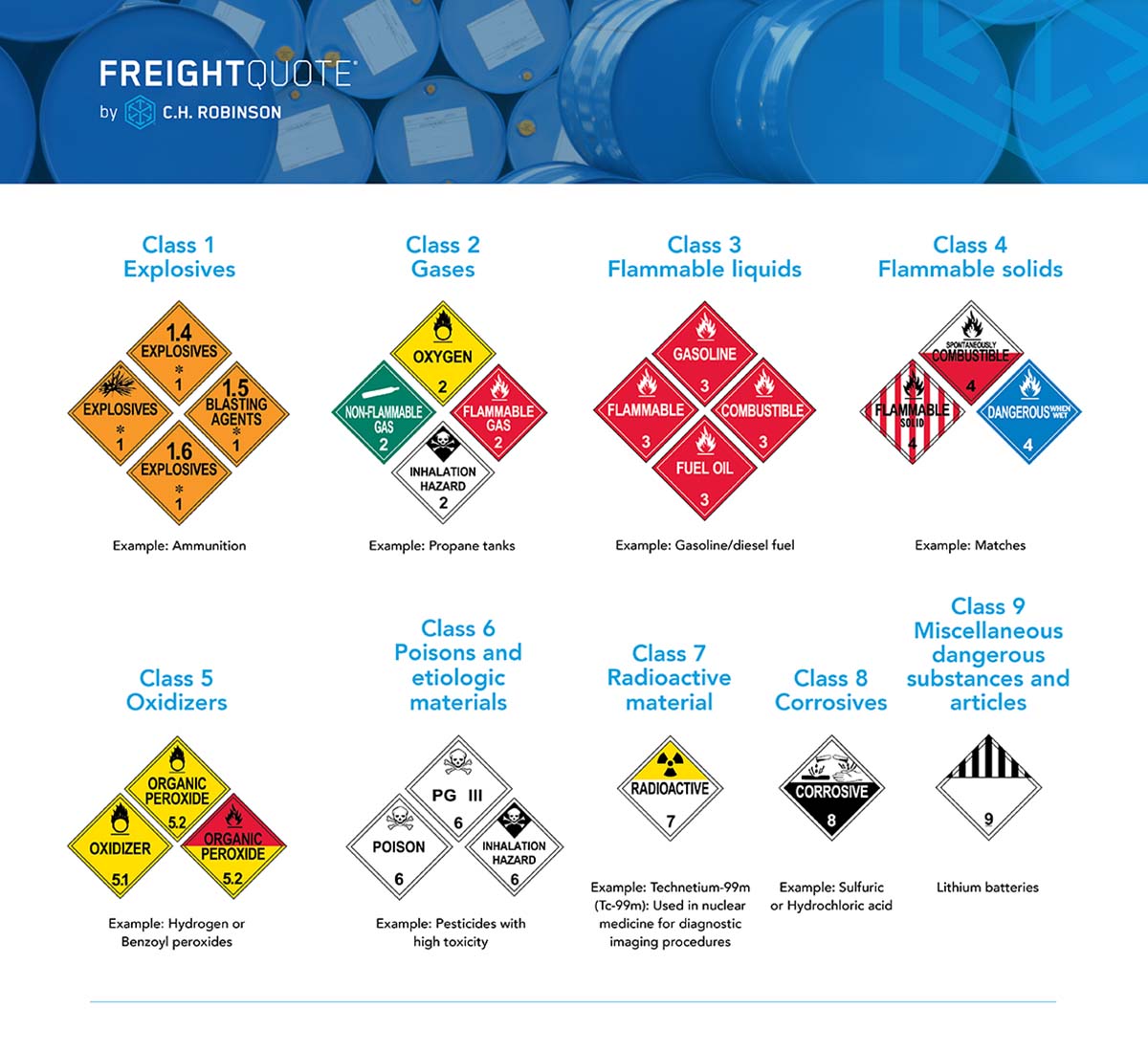
Hazardous materials are defined in multiple regulatory systems:
- DOT (U.S. Department of Transportation) for ground transport
- IATA (International Air Transport Association) for air transport
- IMDG (International Maritime Dangerous Goods) Code for sea transport
- OSHA (Occupational Safety and Health Administration) for workplace safety
While there’s significant overlap, slight differences in criteria can lead to different conclusions for the same substance.
A Practical Tip
When asked, “Is this a hazardous material?” respond with:
“By which regulation(s)?”
The classification might change depending on whether you’re looking at transport safety, workplace safety, or environmental protection.
Acronym | Full Name | Purpose |
|---|---|---|
U.S. Department of Transportation | Regulates hazardous materials during transportation. | |
International Air Transport Association | Governs dangerous goods shipped by air. | |
International Maritime Dangerous Goods Code | Governs dangerous goods shipped by sea. | |
Occupational Safety and Health Administration | Protects workers from chemical hazards in the workplace. |
Determining whether something is a hazardous material isn’t as simple as it sounds—it depends entirely on which regulation applies. By always asking “By which regulation(s)?”, you can avoid costly misclassifications and ensure compliance across transport, workplace, and environmental standards. If you need help sorting through DOT, OSHA, and international rules, expert guidance can keep you from getting tangled in regulatory knots.
Do you have questions about your company’s compliance? Schedule a quick call with our expert today.
FAQ
Q: Why doesn’t “Is this a hazardous material?” have a single, simple answer? A: Because regulatory definitions of “hazardous” vary across different frameworks. A material can be classified differently depending on whether the question is being asked under DOT, IATA, IMDG, or OSHA rules, so there’s no universal answer without specifying which regulation applies.
Q: What are the four primary regulatory frameworks that classify hazardous materials? A: DOT governs ground transportation hazard classification, IATA governs air transport dangerous goods, IMDG governs maritime dangerous goods, and OSHA governs workplace chemical hazard protection — each with its own classification criteria.
Q: What is the recommended response when someone asks if a material is hazardous? A: The article recommends responding with a clarifying question: “By which regulation(s)?” Since slight differences in criteria across frameworks can produce different classifications for the same substance, the answer depends on which regulatory context is being asked about.
Q: Does a material containing natural ingredients automatically mean it’s non-hazardous? A: No. The article is explicit that natural ingredients don’t guarantee non-hazard status — a material can still be classified as hazardous under one or more regulatory frameworks regardless of whether its components are natural.
Q: Why can legacy data migrations complicate hazmat classification questions? A: Legacy data migrations can obscure the original reasoning behind a material’s classification, making it harder to determine with confidence why a substance was classified a certain way, or whether that classification is still accurate under current regulations.
Q: What happens if a hazardous material is misclassified? A: Improper classification risks shipment delays, enforcement actions, and compliance violations, which is why the article recommends expert consultation to properly navigate DOT, OSHA, and international regulatory requirements.