-

·
From Inspection to Insight: Building a Future-Ready Lithium-Ion Compliance Program
Improve lithium battery safety and compliance with proactive audits, clearer procedures, and strategies that help manufacturers avoid costly violations.
-

·
Second-Life Applications for Used Lithium-Ion Batteries
Explore how second-life lithium-ion batteries support safe, sustainable energy storage and what manufacturers must consider before repurposing them.
-

·
The Role of Regulatory Bodies in Ensuring Safety
Discover how global regulators shape lithium battery safety rules and how manufacturers can turn compliance into a strategic advantage.
-

·
Going Global – Navigating International Hazardous Materials Regulations
Navigate international hazardous materials regulations with confidence. Learn how global standards, documentation, and expert guidance prevent delays.
-
·
The Future of Lithium-Ion Battery Regulations: Trends and Predictions
New UN, NFPA, and insurer-driven lithium battery rules are coming fast. Learn how manufacturers can prepare with smarter design, storage, and compliance.
-
·
From Transport to Workplace – Understanding HazCom 2024 & GHS
Understand HazCom 2024 and GHS requirements, from workplace labeling to SDS and training, and learn how they differ from dangerous goods transport rules.
-
·
How to Ship Chemicals and Dangerous Goods Without Breaking the Law
Learn the essential steps for shipping chemicals and dangerous goods legally, from classification and packaging to labeling and documentation.
-

·
The Hidden Risks Businesses Face with Hazardous Materials
Discover the hidden compliance risks of hazardous materials, why most failures aren’t negligence, and how evolving regulations can impact business growth and safety.
-

·
Safe and Sustainable: Balancing Environmental Responsibility with Hazmat Transport Regulations Compliance
Article Summary This white paper argues that safety and sustainability in hazmat transportation are not competing priorities but complementary design goals when packaging is engineered correctly from the start. It walks through the regulatory landscape governing hazmat transport packaging — DOT/PHMSA rules, 49 CFR Parts 171–178, the UN Model Regulations, the IMDG Code, IATA DGR,…
-

·
What Is the Impact of the New EU Battery Directive on Lithium-Ion Battery Manufacturers?
Article Summary The EU’s updated battery directive is reshaping how manufacturers, shippers, and packaging companies approach compliance, traceability, and safety, and this article breaks down what that shift means in practice. At its core, the directive pushes for greater supply chain accountability while creating real tension around protecting proprietary information: manufacturers must disclose enough technical…
-

·
Countdown to “Safely Charging Ahead” Symposium: Americase Releases Full Agenda Featuring Live Battery Safety Demonstrations, Regulatory Insights, and Industry Leader Panel Discussions
Registration is still open for symposium in Waxahachie, TX, Oct 27-28 Waxahachie, TX October 9, 2025 — With just weeks to go before one of the battery industry’s most anticipated safety events, Americase has released the full agenda for its upcoming “Safely Charging Ahead: Navigating Battery Safety, Regulations & Innovation Symposium,” taking place October 27–28,…
-

·
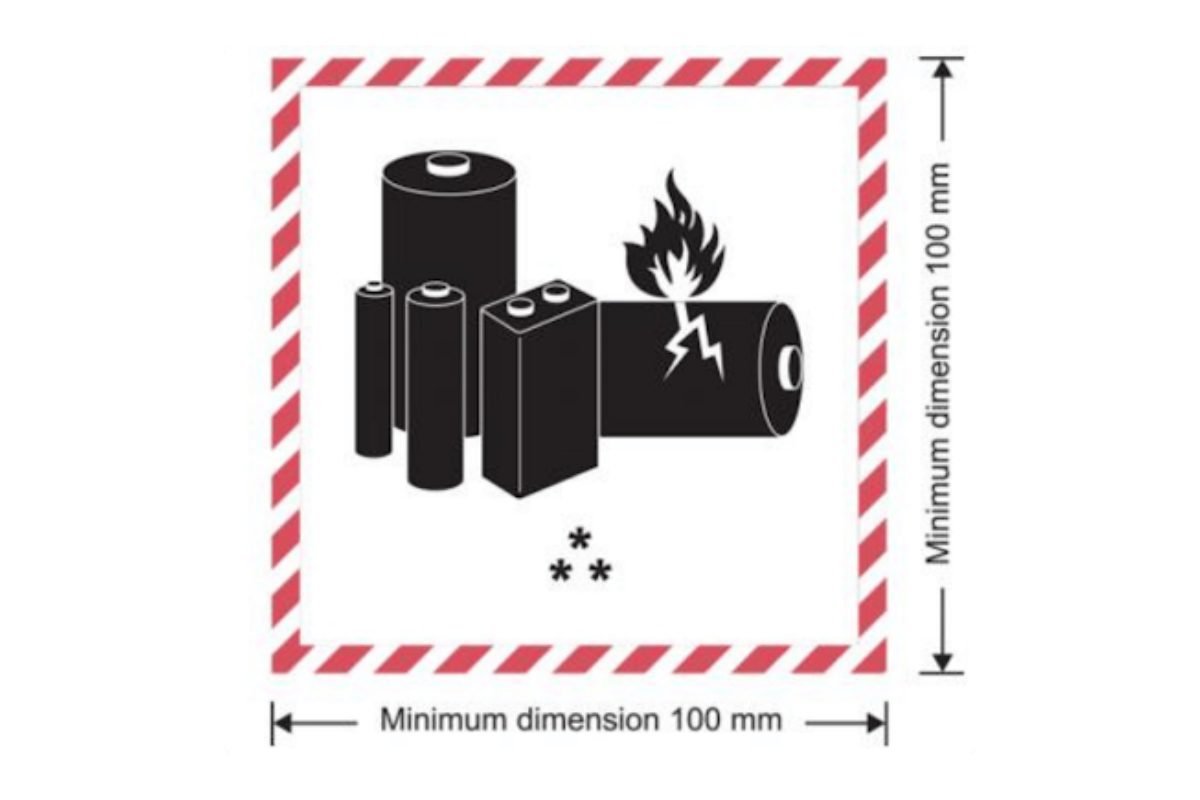
Labeling Requirements: Navigating the Evolving Packaging Requirements for Lithium-Ion Batteries
Article Summary Lithium-ion battery shipments have shifted from exceptional cargo to routine, high-volume logistics, and PHMSA’s own numbers show why regulators have stopped treating labeling mistakes as forgivable inexperience: incidents rose 67% between 2016 and 2021. This article walks through where shippers actually get tripped up. UN classification comes first: UN3480, UN3481, UN3090, and UN3091…