-

·
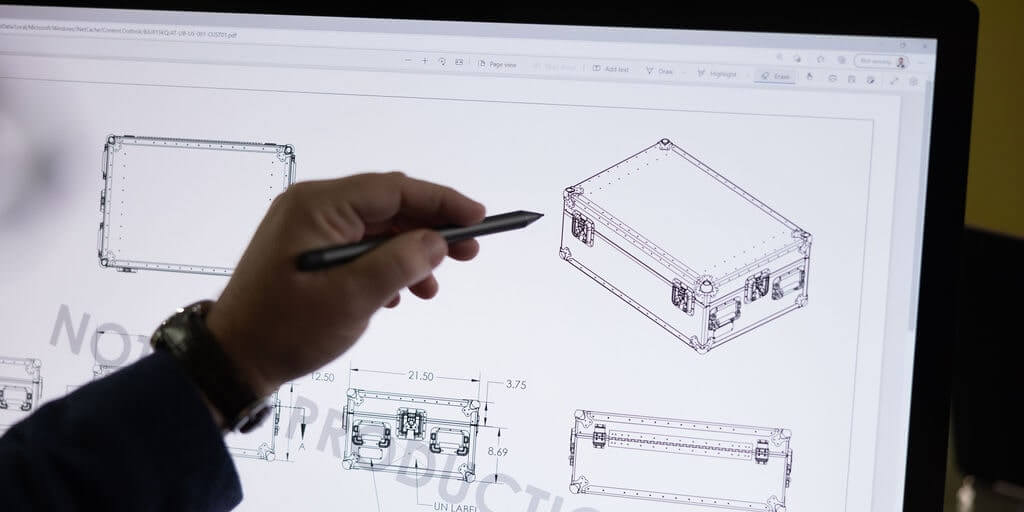
Inside the Custom Case Design Process: Navigating Regulations and Client Research
Article Summary Q&A with James Egloff, Chief Operating Officer & Chris Egloff, VP of Strategic Business Opportunities Question #1: Can you walk us through a typical case design process? When we take someone through a case design process, it’s essential to gather all pertinent information needed to make an informed decision about the product that…
-

·
Lessons From Working With NASA: Inside the Unique Challenges of the Aerospace Industry
Article Summary Q&A with Americase’s Derrick Cunningham, Director of Innovation and Engineering Question #1: What unique challenges does the aerospace industry present when it comes to protecting mission-critical equipment? The aerospace industry presents a lot of unique challenges when it comes to protecting mission-critical equipment. It’s one of the few industries that’s highly concerned about…
-

·
How Regulatory Changes in the Aviation Industry Affect Container Design
Article Summary Q&A with Americase’s Steve Arnold, Industrial Sales Engineer & Mike Pagel, Sr. HazMat Safety Consultant Question #1: What regulatory changes in the aviation industry have driven the need for redesigning cargo containers? The ATA 300, which has been published in 1960, has three categories. Category 1 allows for a minimum of 100 round…
-

·
Navigating Global Lithium-Ion Battery Transportation Regulations: A Comprehensive Guide to the International Regulations for Transporting Lithium-Ion Batteries
Article Summary Q&A with Chris Egloff and Mike Pagel, Americase Question #1: What are the key differences between major international regulations for transporting lithium-ion batteries, such as those from the UN, IATA, and the EU? The key differences in lithium-ion battery transportation regulations primarily involve modal distinctions. This means that the regulations vary depending on…
-
·
Why Materials Matter in Shipping (and Why Metal May Be the Best Choice)
Article Summary Q&A with Steve Arnold, Americase Question 1: What are the key benefits of using metal over other materials for shipping containers? One of the main advantages of using metal, specifically aluminum, over other materials like wood, plastic, or fiberglass, is durability. When I’ve visited sites, I’ve seen frequent damage to wooden and plastic…
-

·
What is a Lithium-Ion Recall, and What Do Companies Need to Consider When Facing One?
Article Summary Lithium-ion batteries power everything from smartphones to electric vehicles, and when a defect surfaces, a recall becomes the only way to protect consumers — but managing one requires navigating safety, regulatory compliance, logistics, and public relations all at once. This article breaks down what a lithium-ion recall actually involves, grounded in a 2016…
-

·
How Laboratory Testing Helps Prevent Accidents with Lithium-Ion Batteries
Article Summary Lithium-ion batteries power our everyday lives, from smartphones to electric vehicles. Even though lithium-ion batteries are inherently safe, when mishandled or off-spec, they may pose risks, including thermal runaway, short circuits, and chemical leaks. These hazards underscore the critical importance of rigorous laboratory testing to prevent accidents and ensure safety. This blog will…
-
·
ROI on Shipping Containers: An Overlooked Efficiency?
Article Summary When considering ways to enhance efficiency and reduce costs within logistics, the focus often lies on optimizing routes, reducing fuel consumption, or improving packaging materials. However, an often-overlooked area ripe for improvement is the selection and utilization of shipping containers. Investing in high-quality, specialized containers can significantly impact the return on investment (ROI),…
-
·
How to Get Custom Packaging for Lithium-Ion Batteries Certified
Article Summary Getting custom lithium-ion battery packaging certified means designing to a stack of overlapping regulations — IATA’s Dangerous Goods Regulations for air transport, the IMDG Code for sea, DOT’s Hazardous Materials Regulations for the U.S., and the UN Model Regulations that tie them all together — and then proving the packaging actually performs. This…
-

·
DOT Special Permits and Lithium-Ion Batteries
Article Summary DOT Special Permits are exemptions granted by the Department of Transportation that let shippers deviate from the Hazardous Materials Regulations (HMR) under specific conditions, as long as the deviation maintains an equivalent level of safety or serves the public interest. This article walks through the four-step process for obtaining one — determining whether…
-

·
A Look Inside 3 Committees Leading the Charge in Lithium Battery Storage and Transportation Regulations
Article Summary Lithium-ion batteries power everything from cellphones to EVs, and their strong safety record depends on painstaking, ongoing standards-setting work carried out by industry and international bodies. This article looks inside three committees currently shaping that work: SAE International’s G-27 Committee, which is developing a minimum performance standard for safely shipping lithium batteries by…
-
·
The Basics of Safe Storage and Handling for Oxygen Cylinders
Article Summary Have you ever noticed those tall metal gas cylinders that seem to be everywhere? More often than not, they’re oxygen cylinders, and their safe storage and handling is of paramount importance to human health and safety. You’ve probably noticed them when you’re driving down the freeway, even if you’re not in an industry…