Article Summary
Lithium-ion batteries power everything from smartphones to electric vehicles, and when a defect surfaces, a recall becomes the only way to protect consumers — but managing one requires navigating safety, regulatory compliance, logistics, and public relations all at once. This article breaks down what a lithium-ion recall actually involves, grounded in a 2016 case study of a global consumer electronics corporation’s recall of a flagship smartphone over battery overheating and fire risk — a two-phase recall that ultimately required retrieving more than two million units and became the largest recall in United States history. It walks through the key considerations companies face: swiftly and accurately identifying the defect through incident data and rigorous lab testing; engaging the full range of stakeholders, from regulators and logistics providers to retailers, consumers, and industry experts; and designing and testing packaging solutions capable of containing or suppressing thermal runaway during shipment. In the case study, that packaging solution was Americase’s Battery Bag, developed specifically for this purpose and certified under DOT Special Permit SP-16011 for shipping Damaged/Defective/Recalled (DDR) batteries. The article also covers the operational realities of implementation — rapid production scale-up, weekend shifts, temporary hiring, and leased facilities to meet surging demand — and the role of clear, centralized communication in maintaining public trust, including direct comments from Americase CEO Robby Kinsala and VP Chris Egloff on how the company met the challenge. It closes by emphasizing that successful recalls also require post-recall learning: analyzing what worked, implementing improvements, and building contingency plans before the next recall happens.
Understanding Lithium-Ion Recalls
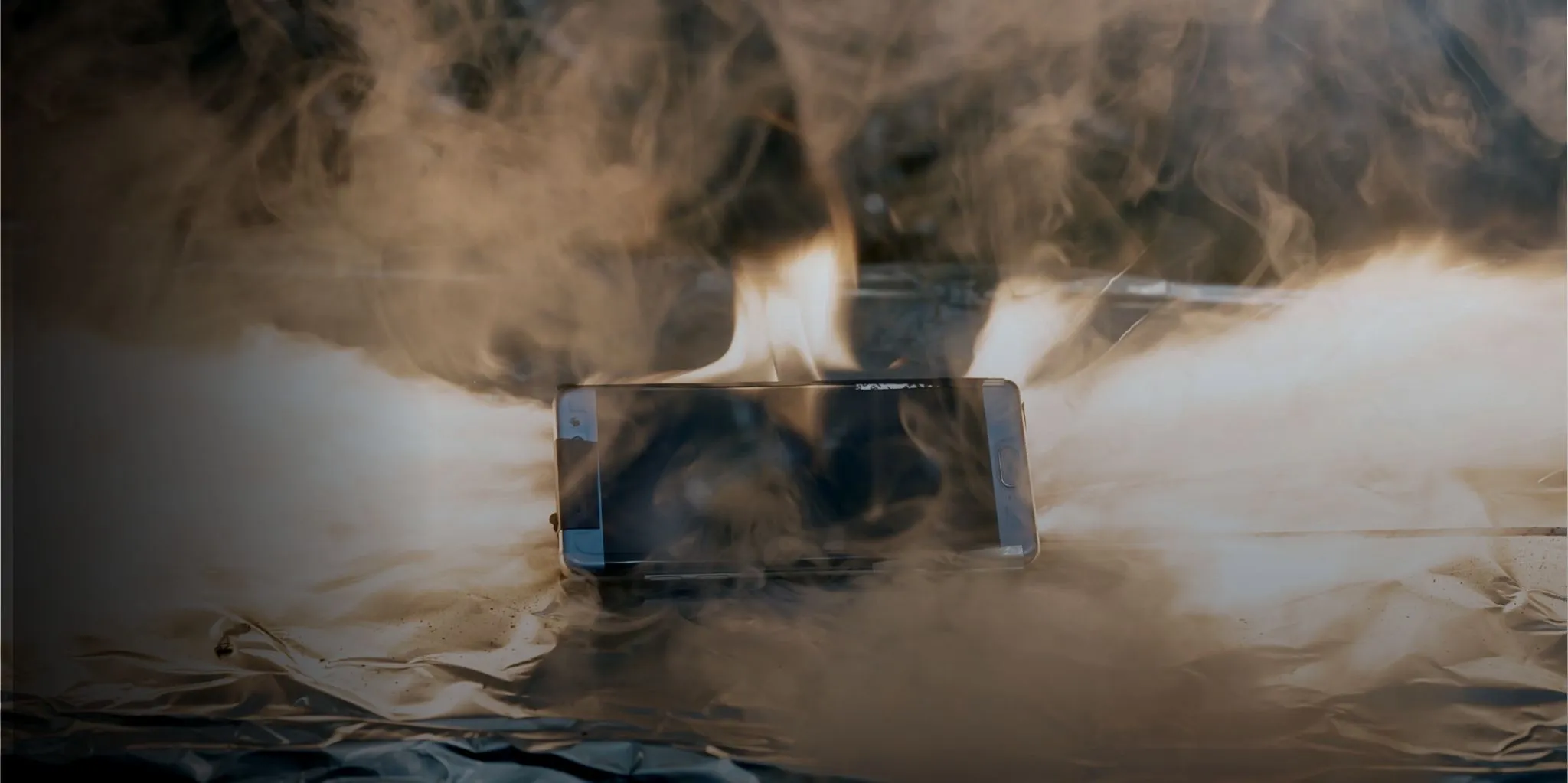
A lithium-ion recall is triggered when a battery defect poses safety risks, such as overheating, fire, or even explosion. These recalls are often prompted by reports of incidents or failures in the field, leading companies to take proactive measures to prevent harm to consumers, mitigate potential legal and financial repercussions and protect their brand.
In 2016, a global consumer electronics corporation faced a significant challenge with the recall of one of its flagship smartphones due to battery defects that caused overheating and posed a fire risk. With over a million units recalled initially, followed by another million in a second phase, the company required a safe, robust, cost-efficient, and easy-to-use solution to manage the return and disposal of these defective devices. Americase was brought in to provide a comprehensive solution to handle this unprecedented recall.
Key Considerations for Managing a Lithium-Ion Recall
Identifying the Problem
The first step in managing a lithium-ion recall is to identify the problem swiftly and accurately. Companies must quickly ascertain the defect’s extent and nature to develop an effective recall strategy. This involves collecting and analyzing incident data and conducting rigorous laboratory tests to confirm the defect and its risks.
In our work with our client, the global consumer electronics corporation referenced earlier in the article, they identified overheating and fire risks in their flagship smartphone’s batteries through incident reports and laboratory tests. Analyzing the data confirmed the need for a recall.
Engaging Stakeholders
A successful recall requires collaboration with various stakeholders, including appropriate regulatory bodies, logistics and supply chain management providers, retailers or vendors affected by the recall, and consumers (or end users in the case of a business application) . Engaging with industry experts helps develop safe, comprehensive and effective recall procedures while consulting with regulatory bodies helps ensures compliance. Clear communication with consumers about the recall and return process is also crucial.
Designing and Testing Packaging Solutions
Safe packaging is crucial for the transportation and storage of recalled lithium-ion batteries or products. Companies require protective packaging that can safely and effectively contain or suppress any thermal runaway that may occur while shipping the recalled batteries. Rigorous testing is necessary to confirm that the packaging meets all regulatory and performance requirements.
For the global consumer electronics client’s recall, Americase developed the Battery Bag – a packaging solution that’s safe, easy to use, and does not require a dangerous goods professional. To further streamline the logistics process, Americase’s Battery Bag was granted the DOT Special Permit SP-16011 for shipping Damaged/Defective/Recalled (DDR) batteries, ensuring safety and regulatory compliance.
Implementing the Recall
Implementing a recall involves several logistical and operational challenges. Rapid production and distribution of safe packaging, along with effective customer support, are essential to manage the recall efficiently and with minimal disruption.
Americase managed timelines, purchased additional machinery to enhance production flow, and fielded customer support calls on behalf of the global consumer electronics corporation, ensuring a smooth recall process.
Americase is uniquely positioned to augment our clients’ supply chains with our team and trusted partners to ensure a safe and timely recall implementation.
Navigating Challenges
Recalls often come with unforeseen challenges that require quick and effective problem solving. Negotiating feasible price points, expediting production, and managing increased demand are common issues that need to be addressed promptly.
Americase overcame challenges related to pricing, timing, and increased demand by working closely with the corporation, running weekend shifts, hiring temporary workers, and renting additional facilities to meet urgent needs.
“It was a test of our capabilities at the time, and we rose to the challenge to help,” says Americase CEO Robby Kinsala. “And not only did we pass that test; we came out with flying colors, exceeding the client’s expectations, and more importantly, giving them peace of mind during a very difficult, frightening time.”
Chris Egloff, Americase VP of Strategic Opportunities, Lithium/HazMat Division, notes that in the event of a recall, a lot is at risk, including the company’s reputation. “We realized what was at stake, and we worked diligently to ensure the best possible outcome for everyone.”
Communicating with the Public
Effective communication is vital to maintain public trust and mitigate damage to the company’s reputation. Clear and transparent announcements about the recall and regular updates on its progress help keep stakeholders informed and reassured.
With the influx of calls faced by the consumer electronics corporation during their smartphone recall, Americase took on managing the call center to help our client.
Learning and Improving
After the recall is completed, analyzing the process to identify areas for improvement is crucial. Implementing changes based on this analysis helps enhances future recall management. It is always recommended to have a plan in place for the potential of a recall, before an actual recall occurs. That way the company is prepared to act fast and minimize risks.
Americase’s commitment to continuous improvement ensures that our containment solutions remain at the forefront of safety and innovation, learning from the recall to further enhance our processes.
We’ve Got You Covered
Managing a lithium-ion recall is a complex and challenging process that requires meticulous planning, effective stakeholder engagement, and a commitment to safety and compliance. Companies must be prepared to navigate numerous challenges, from identifying the problem to implementing the recall and communicating with the public.
Americase played a crucial role in managing our consumer electronics client’s recall, providing safe, robust, code-compliant, and user-friendly packaging solution that allowed the company to execute the largest recall in United States history efficiently. Through innovative problem-solving and unwavering commitment to safety, Americase demonstrated its expertise to effectively handle a complex and large-scale challenge faced by its customer.
By following these considerations and learning from successful recall management examples, companies can effectively manage lithium-ion recalls, ensuring consumer safety and maintaining their reputation in the market. And we are here for you, too – no matter how high the stakes are.
Do you have questions about your company’s compliance? Schedule a quick call with our expert today.
FAQ
Q: What is a lithium-ion recall?
A: A lithium-ion recall occurs when battery defects pose safety risks such as overheating, fire, or explosion. Recalls typically stem from field incident reports and prompt companies to retrieve defective products from the market to prevent consumer harm and protect brand reputation.
Q: What was the 2016 case study referenced in this article?
A: A global consumer electronics corporation faced a major recall of a flagship smartphone due to battery overheating and fire risks. The recall unfolded in two phases, ultimately requiring the retrieval of more than two million units, and became the largest recall in United States history.
Q: What are the key steps in managing a lithium-ion battery recall?
A: Companies need to swiftly and accurately identify the defect through incident data and rigorous laboratory testing, engage stakeholders including regulators, logistics providers, retailers, consumers, and industry experts, and design and test packaging solutions capable of containing or suppressing thermal runaway during shipment.
Q: What packaging solution was used in the case study recall?
A: Americase’s Battery Bag, developed specifically to contain thermal runaway during shipment, was used for the recall. It’s certified under DOT Special Permit SP-16011 for shipping Damaged/Defective/Recalled (DDR) batteries.
Q: What operational challenges come with implementing a large-scale battery recall?
A: Common challenges include negotiating feasible pricing, expediting production timelines, and managing surging demand for compliant packaging. In the case study, these were addressed with weekend shifts, temporary hiring, and leasing additional facilities to scale production quickly.
Q: Why does communication matter during a recall?
A: Clear, transparent recall announcements, regular progress updates, and centralized customer support all help maintain public trust and mitigate brand damage. In the case study, Americase handled incoming customer support calls on the manufacturer’s behalf as part of the recall response.