-

·
Are You Ready for IFC Section 320? Lithium Battery Storage Rules Are Coming Fast
Article Summary Lithium-ion battery storage regulation in the U.S. is fragmented today, but it’s converging fast around one benchmark: Section 320 of the 2024 International Fire Code (IFC), which sets requirements for storage setup, fire barriers or thermal-performance containers, suppression systems, ventilation, explosion-proofing, and detection. Adoption is happening jurisdiction by jurisdiction, on a rolling 12–24…
-

·
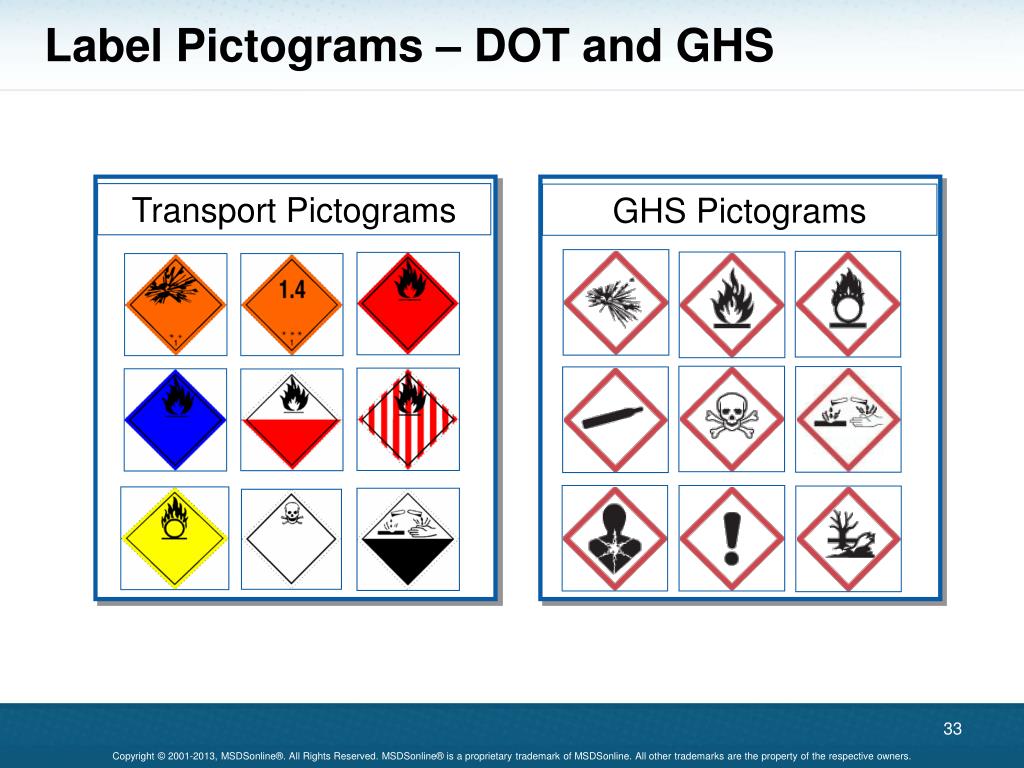
GHS vs. DOT: Why Classifications Don’t Always Match
Article Summary The Globally Harmonized System (GHS) was created to standardize chemical classification and labeling worldwide, but this article explains why OSHA and DOT classifications still diverge in meaningful, practical ways despite that international standard. The core issue is that the two agencies regulate for different purposes: OSHA’s Hazard Communication Standard addresses workplace safety and…
-

·
Is This a Hazardous Material? Asking the Right Questions
Article Summary A customer or carrier’s simple question — “Is this a hazardous material?” — sounds like it should have a straightforward answer, but this article explains why it doesn’t: regulatory definitions of “hazardous” vary across different frameworks, so the honest response depends entirely on which regulation is being asked about. The article uses the…
-

·
The New SAE G-27 Packaging Standard and Beyond
Article Summary In late 2024, SAE approved the first G-27 packaging standard, a milestone for lithium battery transport safety that comes with important nuances. The standard requires packaging to contain a thermal runaway event entirely within the box. If one or more lithium batteries go into thermal runaway, no flame or fragments can escape, external…
-
·
How Dangerous Goods Regulations Are Made—and Why the UN Still Leads the Way
Article Summary Dangerous goods regulations don’t appear out of nowhere — this article traces the full pipeline from international proposal to enforceable national law, and explains why the United Nations remains the starting point for the whole system. It begins with the UN Subcommittee of Experts on the Transport of Dangerous Goods, a body of…
-
·
What Clients Don’t Know Can Hurt Them in Dangerous Goods Compliance
Article Summary Hazmat noncompliance carries financial consequences that extend well beyond a DOT fine, and the violations behind most of them are preventable. The article identifies four major cost drivers. First, employee training is the most commonly cited failure: DOT inspectors ask for training records first, recurrent training is required every three years under 49…
-

·
What Insurance Providers Need to Know About Lithium Battery Risks in Storage and Shipping
Article Summary As the use of lithium-ion batteries continues to expand across industries—from consumer electronics to electric vehicles to data centers—the insurance industry is facing a growing set of challenges. Businesses that manufacture, store, or ship lithium batteries are not just navigating complex hazardous materials regulations. They’re also working under the scrutiny of insurers who…
-

·
How to Secure a DOT Emergency Special Permit Quickly and Effectively
Article Summary There’s no separate “emergency special permit” category at DOT — this article explains that companies submit a standard special permit application and specifically request expedited processing, and it walks through how to do that effectively. A special permit functions as a formal waiver from existing U.S. hazardous materials regulations, and under normal procedures…
-

·
The Value of Integrated Expertise in Lithium Battery Packaging and Transport
Article Summary Featuring insights from Chris Egloff, Vice President of Strategic Opportunities, Americase In the world of lithium battery logistics, safety is paramount and compliance can be complex. Successfully navigating this landscape demands coordinated expertise across engineering, regulations, logistics, and safety testing. Understanding how cross-disciplinary collaboration enhances packaging design and performance can help organizations better…
-

·
From Recall to Road-Ready: What It Takes to Respond Quickly to Lithium Battery Packaging Needs
Article Summary When a battery recall, prototype failure, or damaged-battery shipment hits, companies don’t have months to source compliant packaging, they typically need it within days. This article, featuring Chris Egloff, VP of Strategic Opportunities at Americase, explains how the company meets that timeline: Americase battery bags have been used in roughly 80% of Consumer…
-

·
What’s Next for Lithium-Ion Battery Transport Regulations?
Article Summary The release of the SAE G27 lithium battery packaging standard was a major milestone for safer battery transport, but this article makes clear it’s only the beginning of a longer regulatory evolution. It covers how the standard is being applied now: ICAO and the FAA are evaluating whether to formally integrate G27 testing…
-

·
Understanding Thermal Runaway and Lithium-Ion Battery Transport Risks
Article Summary Lithium-ion batteries have revolutionized technology, powering everything from computers and smartphones to power tools and electric vehicles. However, if damaged or misused, these energy-dense cells can pose significant safety risks, particularly during transport. One of the biggest concerns is thermal runaway, a chain reaction that can lead to fires, explosions, and hazardous gas…