-

·
Labeling Requirements: Navigating the Evolving Packaging Requirements for Lithium-Ion Batteries
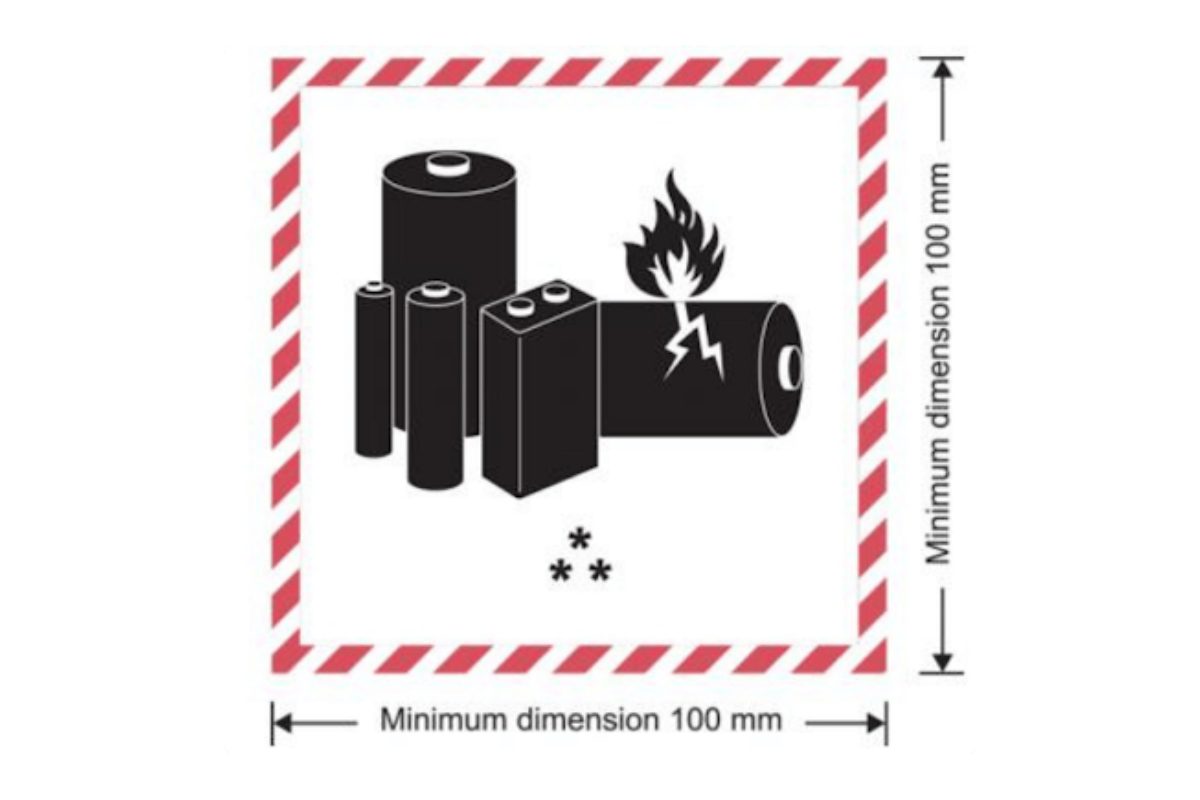
Article Summary Lithium-ion battery shipments have shifted from exceptional cargo to routine, high-volume logistics, and PHMSA’s own numbers show why regulators have stopped treating labeling mistakes as forgivable inexperience: incidents rose 67% between 2016 and 2021. This article walks through where shippers actually get tripped up. UN classification comes first: UN3480, UN3481, UN3090, and UN3091…
-
·
Responding to a Notice of Probable Violation
Article Summary A Notice of Probable Violation (NOPV) from the U.S. Department of Transportation is a serious formal notice that outlines alleged hazardous materials violations and potential penalties, but it is not the end of the road. Receiving one starts a strict 30-day clock. Under 49 CFR Part 107, Subpart D, a recipient can admit…
-
·
Preparing for a DOT Enforcement Visit
Article Summary A DOT inspection doesn’t have to be a crisis — this article frames enforcement visits as manageable events when a company has done the strategic groundwork ahead of time, allowing teams to respond confidently and even use the inspection to strengthen operations. It explains the common triggers for a visit: a reported incident…
-
·
Decoding DOT Incident Reporting Rules
Article Summary DOT hazmat incident reporting rules can be confusing, and this article breaks down exactly what’s required and when under 49 CFR Part 171, Subpart B. It draws a clear line between two reporting obligations: §171.15, which requires immediate notification to the National Response Center for high-severity incidents — a fatality, a hospitalization, a…
-

·
Key Requirements and Best Practices for Complying with the U.S. Department of Transportation Regulations
Article Summary DOT hazmat regulations aren’t bureaucratic red tape — this article frames them as essential safeguards, and makes the case that noncompliance carries severe consequences, from fines and litigation to contract loss and operational shutdowns. With the regulatory framework spanning more than 1,500 pages, independent interpretation isn’t practical, so the article organizes compliance around…
-

·
The Top HazMat Violations that Could Cost Your Company Thousands
Article Summary Hazmat noncompliance carries financial consequences that extend well beyond a DOT fine, and the violations behind most of them are preventable. The article identifies four major cost drivers. First, employee training is the most commonly cited failure: DOT inspectors ask for training records first, recurrent training is required every three years under 49…
-
·
Why Monitoring Hazmat Incidents Protects Your Business
Article Summary In hazardous materials transportation, not knowing about an incident is a compliance risk, not a defense. Federal rules place the reporting obligation on the party in physical possession of the hazardous material at the time of the incident, which is usually the carrier rather than the shipper, so shippers often never learn that…
-
·
Navigating the Changing Landscape of Lithium-Ion Battery Recycling Logistics
Article Summary The lithium-ion battery industry is at a crossroads. As demand for electrification grows, so does the urgency to determine how end-of-life batteries should be transported, handled, and recycled. At the heart of the debate lies a fundamental question: How do we balance safety with sustainability in the logistics of recycling lithium-ion batteries? …
-
·
Following the Breadcrumbs to Enhance Hazmat Safety
Article Summary Using the trail of breadcrumbs from Hansel and Gretel as a framing device, this article, from Bob Richard, Vice President at HazMat Safety Consulting, argues that hazmat compliance failures are rarely caused by a single mistake — they’re usually the end point of a chain of small clues, documentation gaps, inconsistencies, and procedural…
-
·
Regulations on the Import and Export of Lithium-Ion Batteries
Article Summary Shipping lithium-ion batteries across borders means satisfying multiple, non-transferable rulebooks at once, and this article walks through each mode to show where companies get caught out. Air transport falls under ICAO Technical Instructions and mirrors the IATA Dangerous Goods Regulations, and lithium batteries are one of the leading causes of undeclared dangerous goods…
-
·
Navigating State-Specific Regulations for Lithium-Ion Batteries
Article Summary Lithium-ion battery regulation splits into two very different pictures depending on whether a battery is moving or sitting still. Transport is orderly: PHMSA governs it nationwide, batteries are uniformly classified as Class 9 hazardous materials in every state, and states enforce (but can’t rewrite) federal rules, with Texas alone issuing over 3,000 hazmat…
-

·
Hazardous Materials vs. Hazardous Waste: Understanding the Difference
Article Summary Hazardous materials and hazardous waste are often used interchangeably, but this article makes clear they operate under entirely separate regulatory frameworks — and misclassifying one as the other risks a compliance violation. Dangerous goods present “immediate risks during transport” and fall under DOT, IATA, or IMDG oversight, while hazardous waste comprises “discarded materials…