-

·
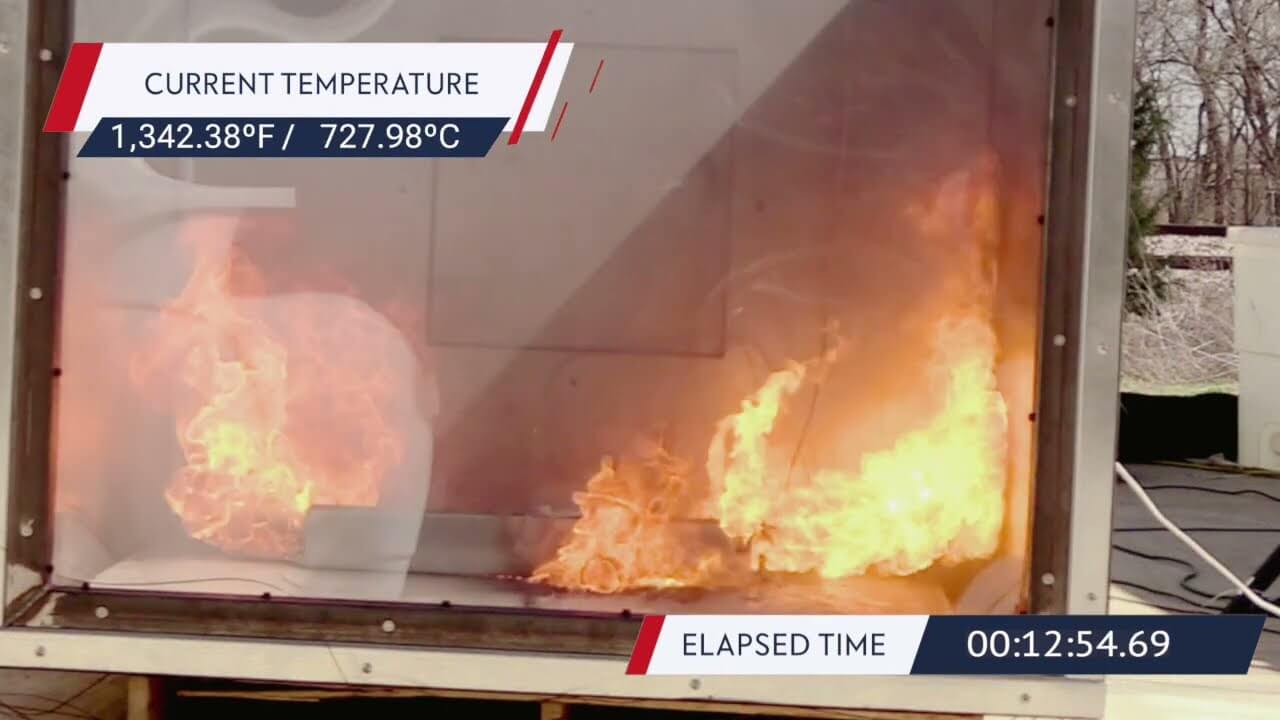
Understanding Thermal Runaway and Lithium-Ion Battery Transport Risks
Article Summary Lithium-ion batteries have revolutionized technology, powering everything from computers and smartphones to power tools and electric vehicles. However, if damaged or misused, these energy-dense cells can pose significant safety risks, particularly during transport. One of the biggest concerns is thermal runaway, a chain reaction that can lead to fires, explosions, and hazardous gas…
-

·
Inside the SAE G-27 Testing Process: Ensuring Lithium Battery Safety in Transit
Article Summary Safe transport of lithium batteries depends on packaging that has been proven to work, and until recently there was no consistent way to prove it. Before the SAE G-27 standard, lithium-ion battery packaging was evaluated with varied and often inconsistent methods, which created uncertainty about package safety, discrepancies in results between test labs,…
-

·
How are Different Types of Lithium-Ion Batteries Tested to Determine and Verify Optimal Containment?
Article Summary Understanding Battery Capacity and Containment Solutions When it comes to lithium batteries, accurate testing is essential for developing effective containment and suppression solutions. Each battery is unique, and its Battery Management System (BMS) can alter its performance. For example, a battery rated at 3 volts at the cell level may have its charging…
-

·
Translating Test Results Into Design
Article Summary When it comes to designing containers for specialized applications, especially for transporting sensitive equipment like helicopter blades or hazardous materials like lithium-ion batteries, testing plays a crucial role. It’s not just about determining if a design meets current needs; testing often uncovers hidden weaknesses and opportunities for improvement. The insights gained from testing…
-

·
Putting Together a Test Plan: Step By Step Advice
Article Summary Q&A with Raymond James, Principal Engineer Question #1: What are the essential components that should be included in a comprehensive test plan? The essential components that should be included in any test plan start with backtracking a little and determining what the customer is trying to prove with the testing. Once you have…
-

·
How Laboratory Testing Helps Prevent Accidents with Lithium-Ion Batteries
Article Summary Lithium-ion batteries power our everyday lives, from smartphones to electric vehicles. Even though lithium-ion batteries are inherently safe, when mishandled or off-spec, they may pose risks, including thermal runaway, short circuits, and chemical leaks. These hazards underscore the critical importance of rigorous laboratory testing to prevent accidents and ensure safety. This blog will…