-

·
Following the Breadcrumbs to Enhance Hazmat Safety
Article Summary Using the trail of breadcrumbs from Hansel and Gretel as a framing device, this article, from Bob Richard, Vice President at HazMat Safety Consulting, argues that hazmat compliance failures are rarely caused by a single mistake — they’re usually the end point of a chain of small clues, documentation gaps, inconsistencies, and procedural…
-
·
Regulations on the Import and Export of Lithium-Ion Batteries
Article Summary Shipping lithium-ion batteries across borders means satisfying multiple, non-transferable rulebooks at once, and this article walks through each mode to show where companies get caught out. Air transport falls under ICAO Technical Instructions and mirrors the IATA Dangerous Goods Regulations, and lithium batteries are one of the leading causes of undeclared dangerous goods…
-
·
Navigating State-Specific Regulations for Lithium-Ion Batteries
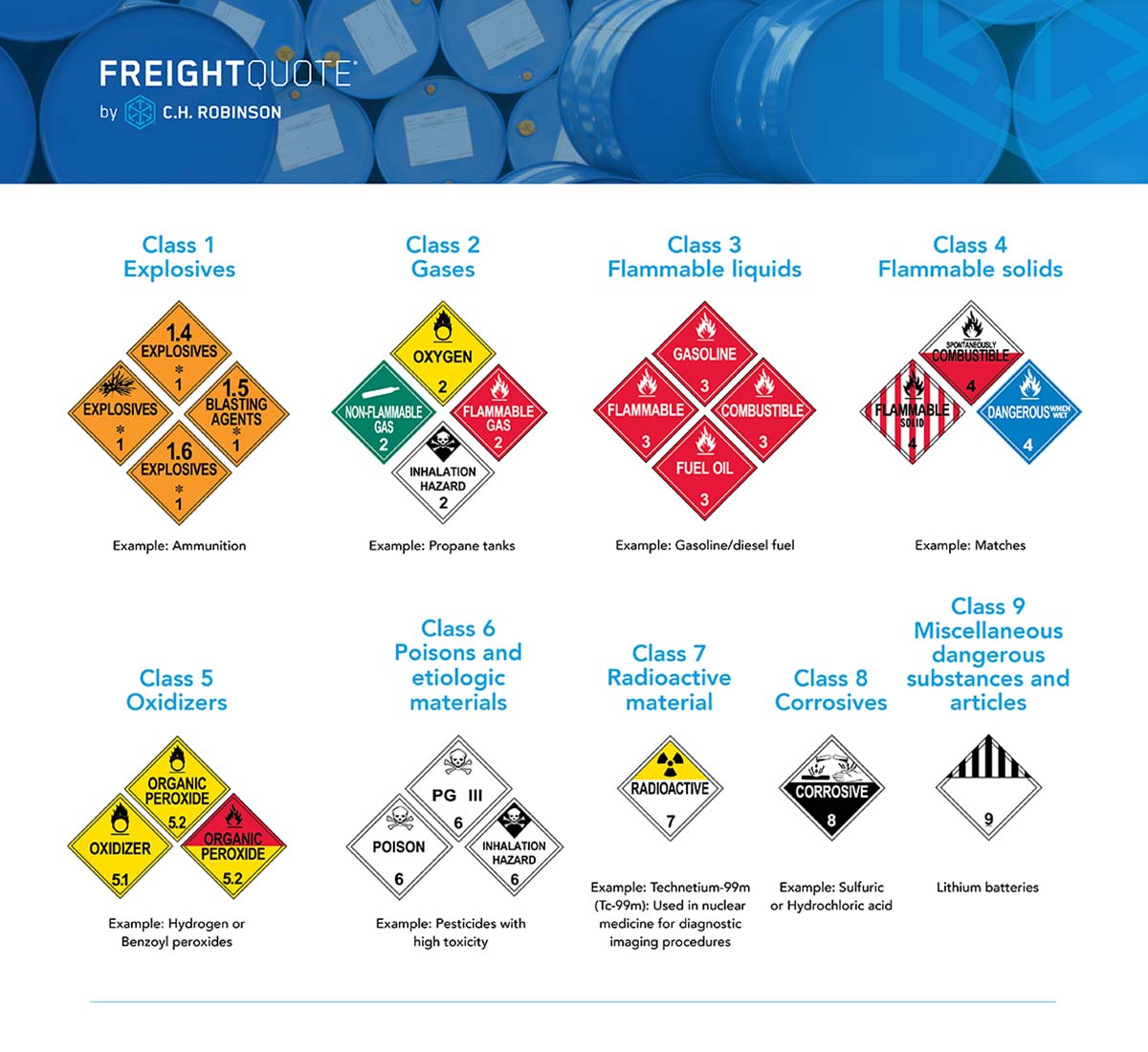
Article Summary Lithium-ion battery regulation splits into two very different pictures depending on whether a battery is moving or sitting still. Transport is orderly: PHMSA governs it nationwide, batteries are uniformly classified as Class 9 hazardous materials in every state, and states enforce (but can’t rewrite) federal rules, with Texas alone issuing over 3,000 hazmat…
-

·
Hazardous Materials vs. Hazardous Waste: Understanding the Difference
Article Summary Hazardous Materials vs. Hazardous Waste: Understanding the Difference Not all dangerous goods are hazardous waste—and not all hazardous waste is dangerous goods. Understanding the distinction is key to compliance. Dangerous Goods vs. Hazardous Waste Dangerous goods: Substances that pose immediate risks during transport, regulated by DOT, IATA, or IMDG. Hazardous waste: Discarded…
-

·
Are You Ready for IFC Section 320? Lithium Battery Storage Rules Are Coming Fast
Article Summary Lithium-ion battery storage regulation in the U.S. is fragmented today, but it’s converging fast around one benchmark: Section 320 of the 2024 International Fire Code (IFC), which sets requirements for storage setup, fire barriers or thermal-performance containers, suppression systems, ventilation, explosion-proofing, and detection. Adoption is happening jurisdiction by jurisdiction, on a rolling 12–24…
-

·
GHS vs. DOT: Why Classifications Don’t Always Match
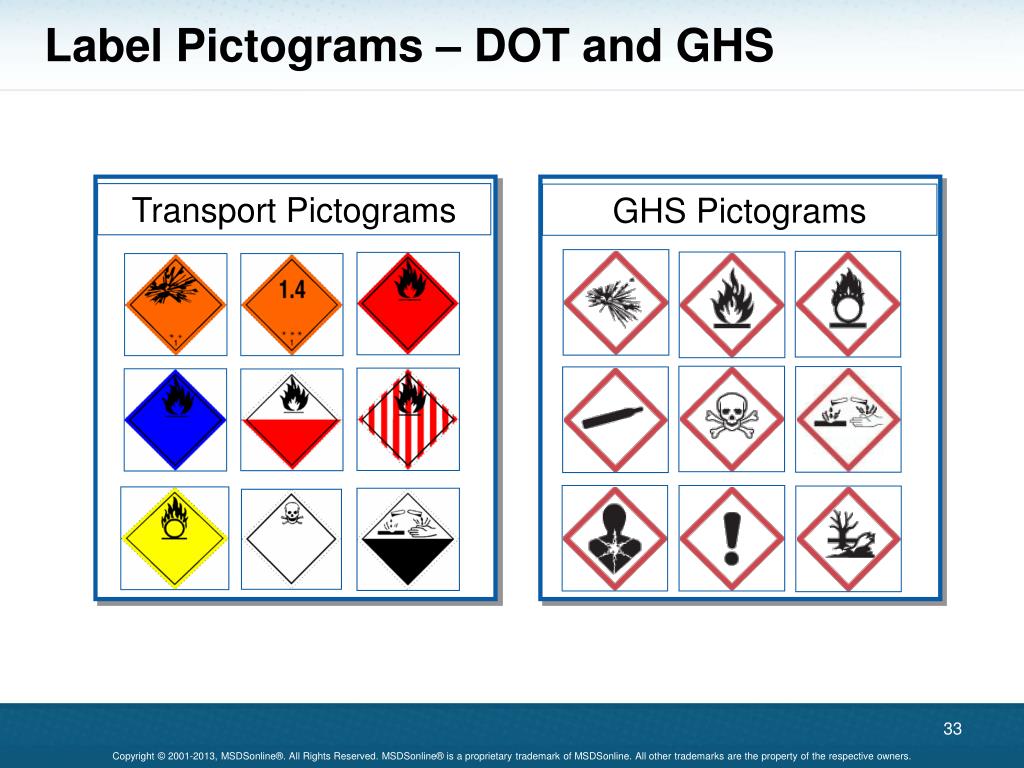
Article Summary The Globally Harmonized System of Classification and Labelling of Chemicals (GHS) was designed to bring consistency to how chemicals are classified and labeled worldwide. So why, even with GHS, do OSHA and DOT classifications still differ? Different Purposes, Different Rules OSHA focuses on workplace safety—both chronic and acute hazards. DOT focuses on transportation…
-

·
Is This a Hazardous Material? Asking the Right Questions
Article Summary It’s amazing how quickly a simple compliance question can snowball. One moment, everything feels under control. The next, you’re knee-deep in regulations you didn’t even know applied to you. Often, it starts with an innocent question from a customer or carrier: “Is this a hazardous material?” On the surface, it sounds straightforward. But…
-
·
The New SAE G-27 Packaging Standard and Beyond
Article Summary In late 2024, a significant milestone was reached in the world of battery transport safety: the approval of the first SAE G27 packaging standard. While this approval marks a promising step forward, it’s important to understand the nuances of what this standard entails and what challenges still remain for the committee to address.…
-
·
How Dangerous Goods Regulations Are Made—and Why the UN Still Leads the Way
Article Summary When it comes to regulating the transport of hazardous materials, the foundation starts at the international level. The best place to understand the process is with the United Nations Subcommittee of Experts on the Transport of Dangerous Goods—a long-standing body that plays a central role in shaping how dangerous goods are classified, packaged,…
-
·
What Clients Don’t Know Can Hurt Them in Dangerous Goods Compliance
Article Summary When it comes to dangerous goods compliance, many organizations don’t know where their real risks lie—until something goes wrong. That’s where hazmat consultants like Mike Pagel, Sr. HazMat Consultant at HazMat Safety Consulting, step in, helping clients identify gaps and build safer, more compliant operations. But as Pagel explains, it’s not always a…
-

·
What Insurance Providers Need to Know About Lithium Battery Risks in Storage and Shipping
Article Summary As the use of lithium-ion batteries continues to expand across industries—from consumer electronics to electric vehicles to data centers—the insurance industry is facing a growing set of challenges. Businesses that manufacture, store, or ship lithium batteries are not just navigating complex hazardous materials regulations. They’re also working under the scrutiny of insurers who…
-

·
How to Secure a DOT Emergency Special Permit Quickly and Effectively
Article Summary When hazardous materials (hazmat) compliance issues arise, companies need regulatory exceptions fast. Specifically, they may need a Department of Transportation (DOT) special permit processed on an expedited basis. But what does that really mean, and how do you actually get one approved quickly? Ryan Paquet, a former Director of Approvals and Permits at…