-

·
What Are the UN 38.3 Transportation Testing Requirements for Lithium-Ion Batteries?
Article Summary UN 38.3 is the testing framework that determines whether a lithium-ion battery is safe to transport under global shipping regulations, and this article breaks down exactly what it covers. It walks through the eight current core tests (T1–T8): altitude simulation (validating performance in low-pressure air transport environments), thermal cycling (confirming stability across extreme…
-
·
What Is the Impact of the New EU Battery Directive on Lithium-Ion Battery Manufacturers?
Article Summary Navigating the New EU Battery Directive: Challenges and Opportunities The European Union’s new battery directive is reshaping how manufacturers, shippers, and packaging companies must think about compliance, traceability, and safety. While the regulation is designed to improve accountability across the supply chain, it also introduces a new balancing act between protecting proprietary information…
-

·
Who Can Get AS9100 and ISO 9001 Certified, and How Long Does It Take?
Article Summary Understanding ISO 9001 and AS9100 Certification: What It Takes to Achieve Nearly every manufacturing or organizational operation today is open to pursuing certification under ISO 9001 or AS9100. While the two are often mentioned together, they serve different purposes. ISO 9001 is the foundational quality standard that applies broadly across industries, while AS9100…
-

·
Can Lithium-Ion Batteries Withstand Extreme Conditions?
Article Summary Lithium-ion batteries are an essential part of modern life, powering everything from smartphones and laptops to electric vehicles (EVs) and power tools. By design, they are often exposed to extreme conditions. Your phone can overheat in a parked car, laptops are constantly transported, and EV batteries spend their life inside a vehicle exposed…
-
·
Labeling Requirements: Navigating the Evolving Packaging Requirements for Lithium-Ion Batteries
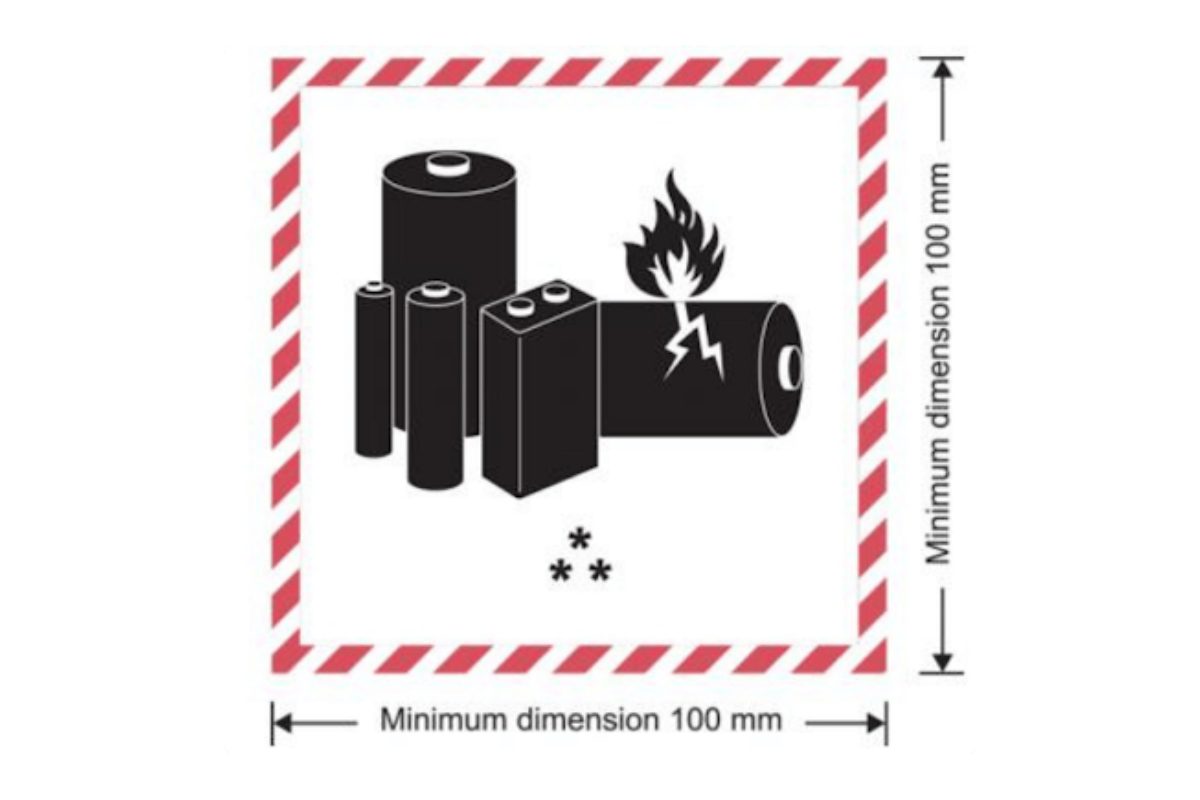
Article Summary Lithium-ion battery shipments have shifted from exceptional cargo to routine, high-volume logistics, and PHMSA’s own numbers show why regulators have stopped treating labeling mistakes as forgivable inexperience: incidents rose 67% between 2016 and 2021. This article walks through where shippers actually get tripped up. UN classification comes first: UN3480, UN3481, UN3090, and UN3091…
-
·
Responding to a Notice of Probable Violation
Article Summary A Notice of Probable Violation (NOPV) from the DOT is serious—but it’s not the end of the road. This formal notice outlines alleged violations and potential penalties, and it starts a strict 30-day countdown for your response. Your Options Under 49 CFR Part 107, Subpart D Within 30 days of receiving the NOPV,…
-
·
Preparing for a DOT Enforcement Visit
Article Summary Seeing a DOT inspector at your door can be nerve-wracking—but it doesn’t have to be. With the right preparation, your team can handle an inspection with confidence and even use it as an opportunity to improve. Why Inspectors Show Up Common triggers for inspections include: Your Inspection-Readiness Plan What to Remember During the…
-
·
Decoding DOT Incident Reporting Rules
Article Summary The DOT doesn’t leave incident reporting to guesswork—there are clear rules on when and how to report hazardous materials incidents. Found in 49 CFR Part 171, Subpart B, these regulations define which events require immediate reporting, which need follow-up documentation, and who’s responsible for filing the report. §171.15 – Immediate Reporting for Serious…
-

·
Key Requirements and Best Practices for Complying with the U.S. Department of Transportation Regulations
Article Summary The Thin Line Between Compliance and Catastrophe If you think DOT regulations are just bureaucratic paperwork, you are already behind. The U.S. Department of Transportation rules aren’t there to make your life harder. They’re designed to keep your shipments from becoming liabilities. Every year, companies are blindsided by inspections that reveal their operations…
-

·
The Top HazMat Violations that Could Cost Your Company Thousands
Article Summary The Cost of Complacency If you’re running a business that ships hazardous materials and you’re not obsessing over compliance, you’re playing Russian roulette with your company’s future. It’s not a matter of if you’ll get caught, it’s when. And when that happens, it’s not just being on the Department of Transportation’s radar. You’re…
-
·
Why Monitoring Hazmat Incidents Protects Your Business
Article Summary When it comes to hazardous materials transportation, ignorance is not bliss—it’s a compliance risk. Many shippers assume they’ll be informed if their shipment is involved in an incident, but that’s rarely the case. Most incident reports are filed by the carrier, and shippers may never hear about them unless they actively look. …
-
·
Navigating the Changing Landscape of Lithium-Ion Battery Recycling Logistics
Article Summary The lithium-ion battery industry is at a crossroads. As demand for electrification grows, so does the urgency to determine how end-of-life batteries should be transported, handled, and recycled. At the heart of the debate lies a fundamental question: How do we balance safety with sustainability in the logistics of recycling lithium-ion batteries? …