-

·
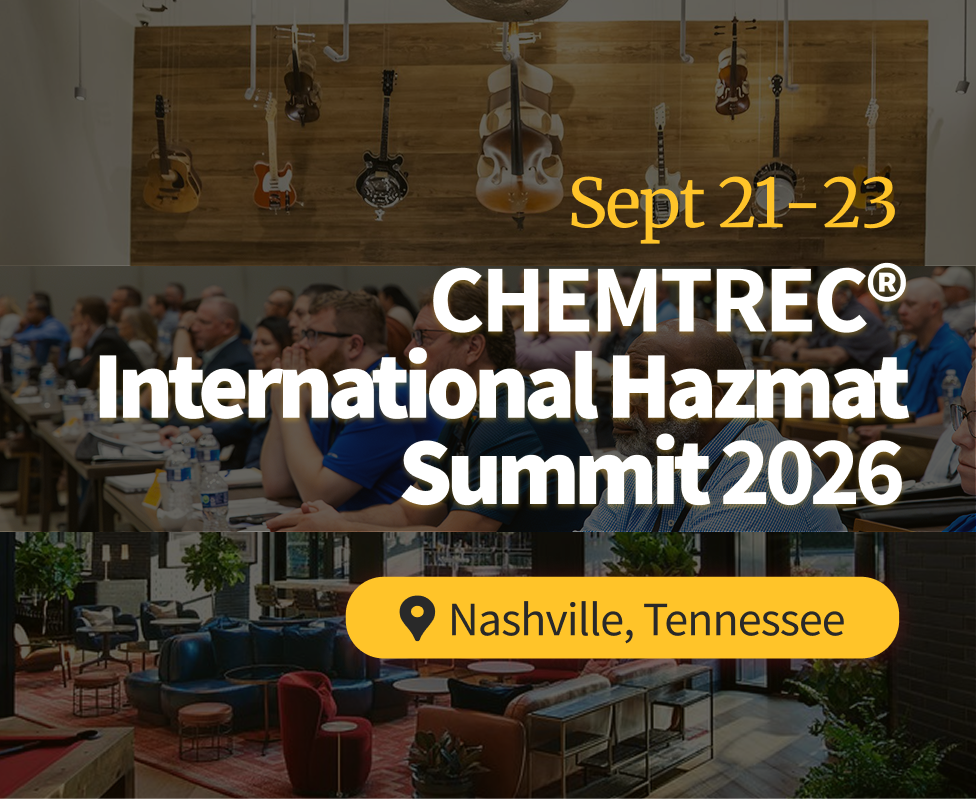
Americase International Expert to Address On-Site Lithium Battery Storage Regulatory Gaps at CHEMTREC Hazmat Summit
HazMat Safety Consulting’s Mike Pagel addresses on-site lithium battery storage regulatory gaps at CHEMTREC’s International Hazmat Summit, Sept. 21.
-

·
After the Incident: Managing Hazmat Recalls, Litigation Exposure, and Regulatory Scrutiny
What happens after a hazmat incident? See how DOT incident reporting, root cause analysis, and regulatory scrutiny shape hazmat recall compliance, litigation exposure, and inspection risk for shippers and carriers.
-

·
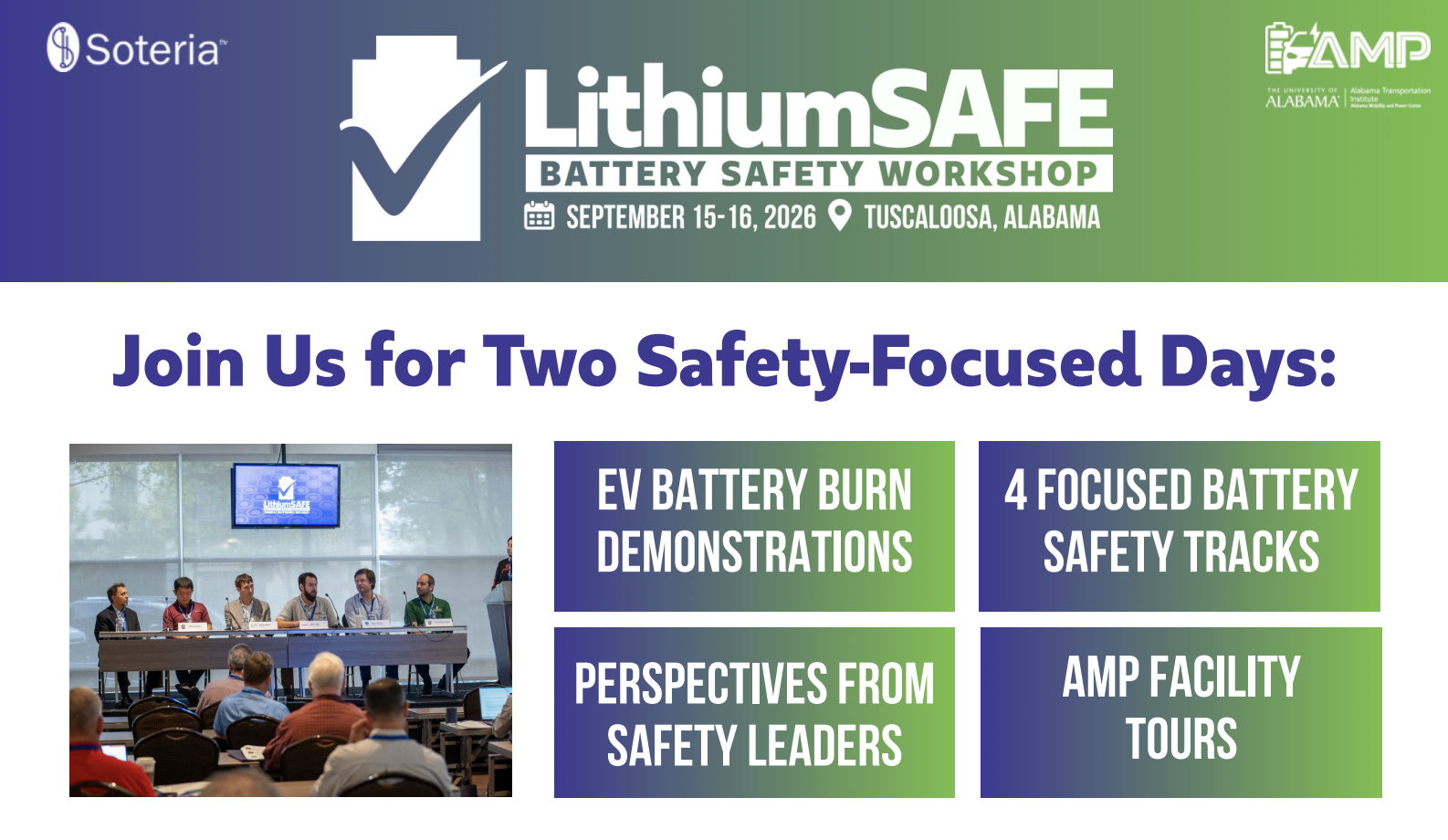
As Lithium Battery Markets Scale, Americase International Experts to Address Growing Safety and Compliance Challenges at LithiumSAFE 2026
Americase International’s Mike Pagel and COO John Redman address lithium battery safety and compliance at LithiumSAFE Workshop 2026, Sept. 15-16.
-

·
Americase International Regulatory Expert Contributes to OCP Guidance on Data Center Energy Storage Safety
HazMat Safety Consulting’s Mike Pagel helped write new OCP guidance on safe energy storage deployment for AI-era data centers.
-

·
Former ICAO Dangerous Goods Panel Members to Explain How Global Air Transport Rules Are Written
Free Sept. 8 webinar: three former ICAO Dangerous Goods Panel members explain how global dangerous goods air transport rules get written.
-

·
Executive Summary of the 68th Session of the UN Sub-Committee of Experts on the Transport of Dangerous Goods
UN SCOE’s 68th session in Geneva advanced Class 9 subdivisions and battery hazard-based classification. Here’s what shippers should track next.
-
·
From Notice of Violation to Litigation: How Hazmat Enforcement Escalates — and How to Contain It
A hazmat notice of violation doesn’t have to end in a costly penalty. See how the hazmat enforcement process escalates and what to do at each stage to contain it.
-

·
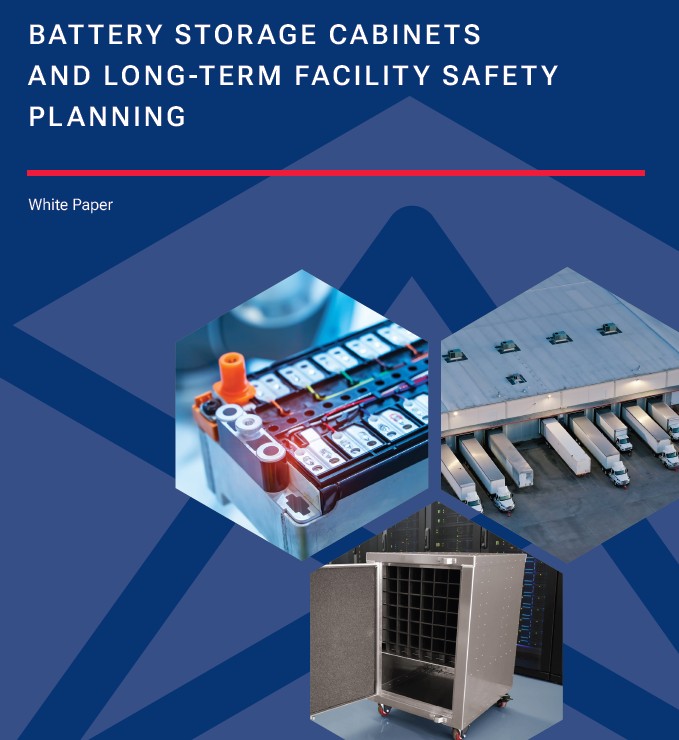
Battery Storage Cabinets and Long-Term Facility Safety Planning
Article Summary This white paper argues that battery storage cabinets should be treated as engineered infrastructure assets, not temporary containment or simple organizational accessories, because lithium-ion battery risk inside a facility is continuous rather than a one-time event tied to shipping or installation. It examines the facility risk environment batteries actually live in — persistent…
-

·
How PE-Backed Companies Inherit Hazmat Liability — and What to Do Before the Deal Closes
Article Summary Hazmat liability in a private equity acquisition does not disappear at closing — it transfers to the buyer, along with every training gap, packaging error, and misclassified shipment the target company never disclosed. This article explains why dangerous goods compliance is one of the most consistently underweighted risk categories in M&A due diligence:…
-

·
As AI Infrastructure Accelerates Across Asia-Pacific, Industry Leaders Advance Practical New Lifecycle Standards for Lithium-Ion Battery Safety
Americase International leads an OCP APAC Summit panel on lithium-ion battery safety for AI data centers — compliance, engineering, and emergency response.
-
·
IFC 2024 Adoption: What EHS and Compliance Leaders Must Do Before the Next Inspection
The 2024 IFC now covers all lithium battery storage containers — not just energy storage systems. Learn what EHS and compliance leaders must do before the next inspection, including the ≤30% state of charge exception and how to approach your AHJ proactively.
-

·
Americase International Honors Bob Richard with 2026 Lifetime Achievement Award for Global Leadership in Hazardous Materials Safety
Americase International, a leading provider of custom packaging, testing, and regulatory consulting solutions for hazardous materials and high-value goods, today announced that Bob Richard, whose more than 28-year career includes leadership roles with the U.S. Department of Transportation’s Pipeline and Hazardous Materials Safety Administration (PHMSA), the United Nations, and international dangerous goods regulatory bodies, has…