-

·
UN Sub-Committee of Experts on the Transport of Dangerous Goods Session Recap
Twice a year, a small group of international experts reshapes how the world moves hazardous materials. This installment covers the latest UN Sub-Committee of Experts on the Transport of Dangerous Goods (UN SCETDG) session—what changed, what didn’t survive debate, and how those decisions will eventually surface in ICAO, IMO, and ground-transport regulations across the globe.…
-
·
What Happens When Close Trading Partners and Bosom Buddies Update Their GHS Classifications but Have Misaligned Transition Periods?
The U.S. and Canada enjoy the world’s most comprehensive trading relationship, which supports millions of jobs in each country. We are each other’s largest trade partners with nearly $3.6 billion (U.S.$2.7 billion) worth of goods and services crossing the border every day in 2023. (Sept 2024) In 2013 U.S. OSHA signed a Memorandum of Understanding…
-
·
When It All Goes Wrong: Incident Command Lessons from the Field
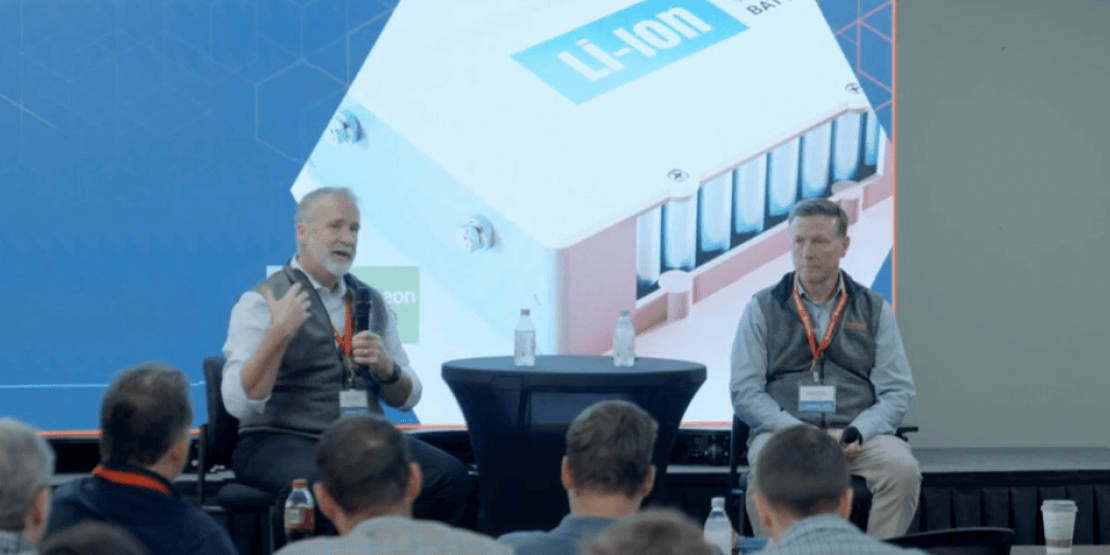
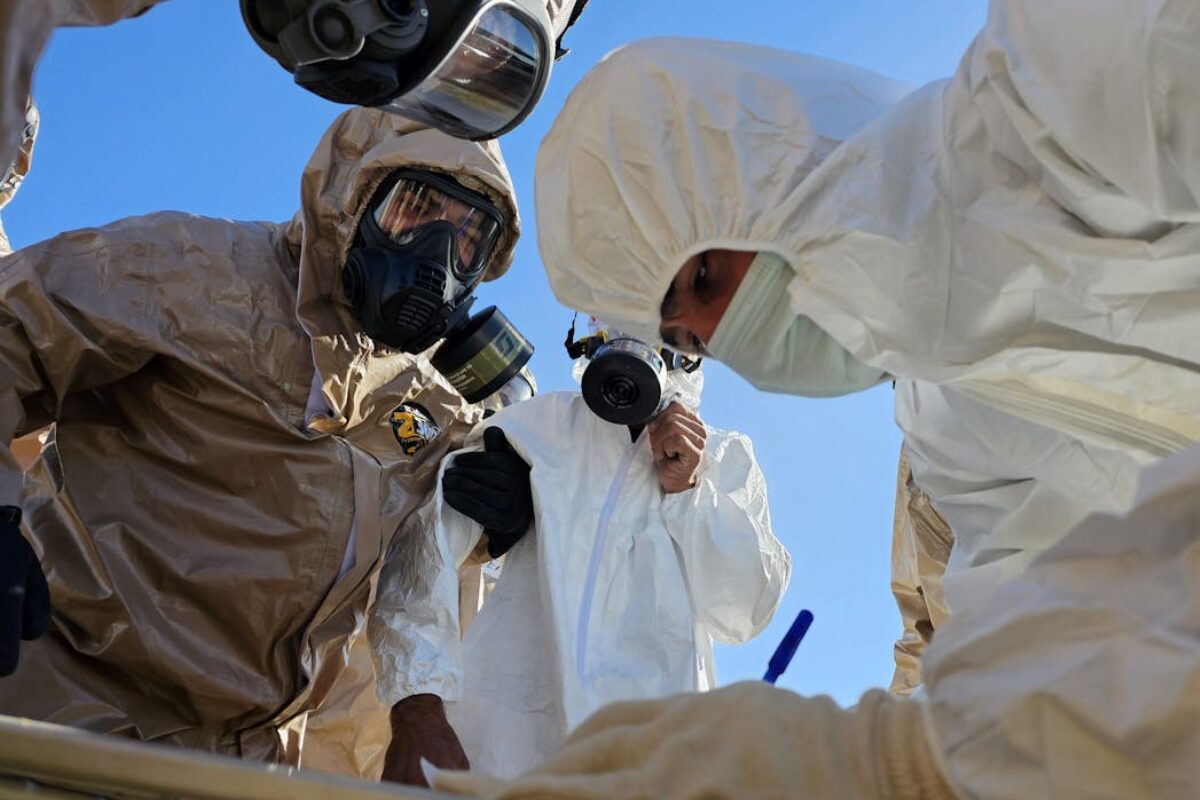
The decisions made in the first 10 minutes of a hazmat incident determine everything that follows. Post-incident analysis of real Dangerous Goods emergencies—what command teams got right, what went wrong, and the leadership decisions that changed outcomes. ESA team brings frontline firefighter experience and specialized lithium battery incident response. Covers communication failures, resource deployment, and…
-

·
When Shipments Get Flagged: What Triggers DOT & PHMSA Enforcement — and How to Prevent It
What actually triggers a DOT or PHMSA hazmat inspection? See the real risk factors — complaints, incidents, prior violations, and risk-based targeting — plus how to prepare before an inspector arrives.
-

·
Who We Are — HazMat Safety Consulting
Meet the HSC team — former regulators and industry leaders providing expert regulatory guidance across dangerous goods transportation, storage, and compliance.
-

·
Why Executives Should Be Aware of Hazmat Safety Compliance
Strong hazmat compliance protects CEOs from hidden risks. Learn why safety culture, liability awareness, and innovation start in the C-suite.
-

·
Why Monitoring Hazmat Incidents Protects Your Business
Article Summary When it comes to hazardous materials transportation, ignorance is not bliss—it’s a compliance risk. Many shippers assume they’ll be informed if their shipment is involved in an incident, but that’s rarely the case. Most incident reports are filed by the carrier, and shippers may never hear about them unless they actively look. …
-

·
Ryan Paquet
Ryan serves as President of HazMat Safety Consulting, bringing more than 20 years of leadership experience in hazardous materials transportation safety, regulatory policy, and international standards development. He provides clients with strategic insight grounded in firsthand government leadership—helping organizations navigate complex regulatory frameworks with clarity and confidence. Prior to joining HazMat Safety Consulting, Ryan served…
-
·
Following the Breadcrumbs to Enhance Hazmat Safety
Article Summary Using the trail of breadcrumbs from Hansel and Gretel as a framing device, this article, from Bob Richard, Vice President at HazMat Safety Consulting, argues that hazmat compliance failures are rarely caused by a single mistake — they’re usually the end point of a chain of small clues, documentation gaps, inconsistencies, and procedural…
-

·
Bob Richard
Donec nec consectetur lectus felis, vita lorem ipsum consectetur lectus felis, vitae rutrum lorem ipsum from nuela dolor from nulla amos.
-
·
Regulations on the Import and Export of Lithium-Ion Batteries
Article Summary When Borders Collide with Batteries Lithium-ion batteries have become the beating heart of modern commerce, powering everything from smartphones to electric vehicles. But shipping them across borders is not as simple as throwing them in a container and sending them off. These batteries are global cargo, but they are also global hazards. Regulators…
-

·
Mike Pagel
Mike Pagel serves as Senior Consultant at HazMat Safety Consulting, where he partners with organizations to strengthen and optimize their dangerous goods transportation programs. His work spans customized regulatory training development, on-site storage and transportation compliance audits, special permit and approval support, standard operating procedure (SOP) development, and ongoing strategic consulting. Mike supports a diverse…
-
·
Duane Pfund
Duane Pfund brings more than 35 years of hazardous materials transportation safety expertise to his role as Senior Consultant at HazMat Safety Consulting. He advises clients on complex dangerous goods (DG) compliance matters, including customized training development, compliance assessments, regulatory interpretation, special permits and approvals, and strategic program design. His guidance helps organizations manage risk,…
-
·
Navigating State-Specific Regulations for Lithium-Ion Batteries
Article Summary In the world of hazardous materials, lithium‑ion batteries are the new rockstars—and like any out‑of‑control celebrity, they come with a ton of baggage. Everyone wants a piece of them, from EV manufacturers to grid storage innovators, but few understand the ticking time bomb they can be when mishandled. What’s worse is the bureaucratic…
-

·
Hazardous Materials vs. Hazardous Waste: Understanding the Difference
Article Summary Hazardous Materials vs. Hazardous Waste: Understanding the Difference Not all dangerous goods are hazardous waste—and not all hazardous waste is dangerous goods. Understanding the distinction is key to compliance. Dangerous Goods vs. Hazardous Waste Dangerous goods: Substances that pose immediate risks during transport, regulated by DOT, IATA, or IMDG. Hazardous waste: Discarded…
-

·
Are You Ready for IFC Section 320? Lithium Battery Storage Rules Are Coming Fast
Article Summary Lithium-ion battery storage regulation in the U.S. is fragmented today, but it’s converging fast around one benchmark: Section 320 of the 2024 International Fire Code (IFC), which sets requirements for storage setup, fire barriers or thermal-performance containers, suppression systems, ventilation, explosion-proofing, and detection. Adoption is happening jurisdiction by jurisdiction, on a rolling 12–24…