-

·
Lithium Battery Transport & Storage
HazMat Safety Consulting helps organizations address the unique and evolving risks associated with lithium batteries—from transportation and storage to use, charging, and recall response.
-

·
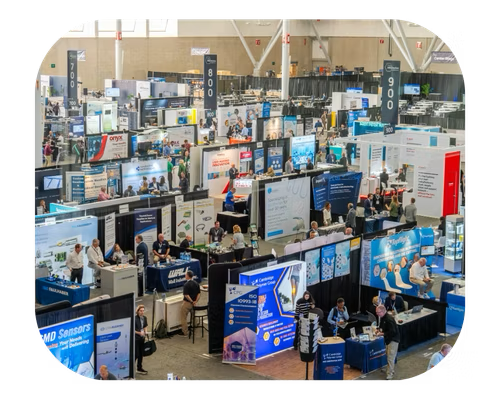
MEDevice Boston 2026 | MedTech Innovation Expo
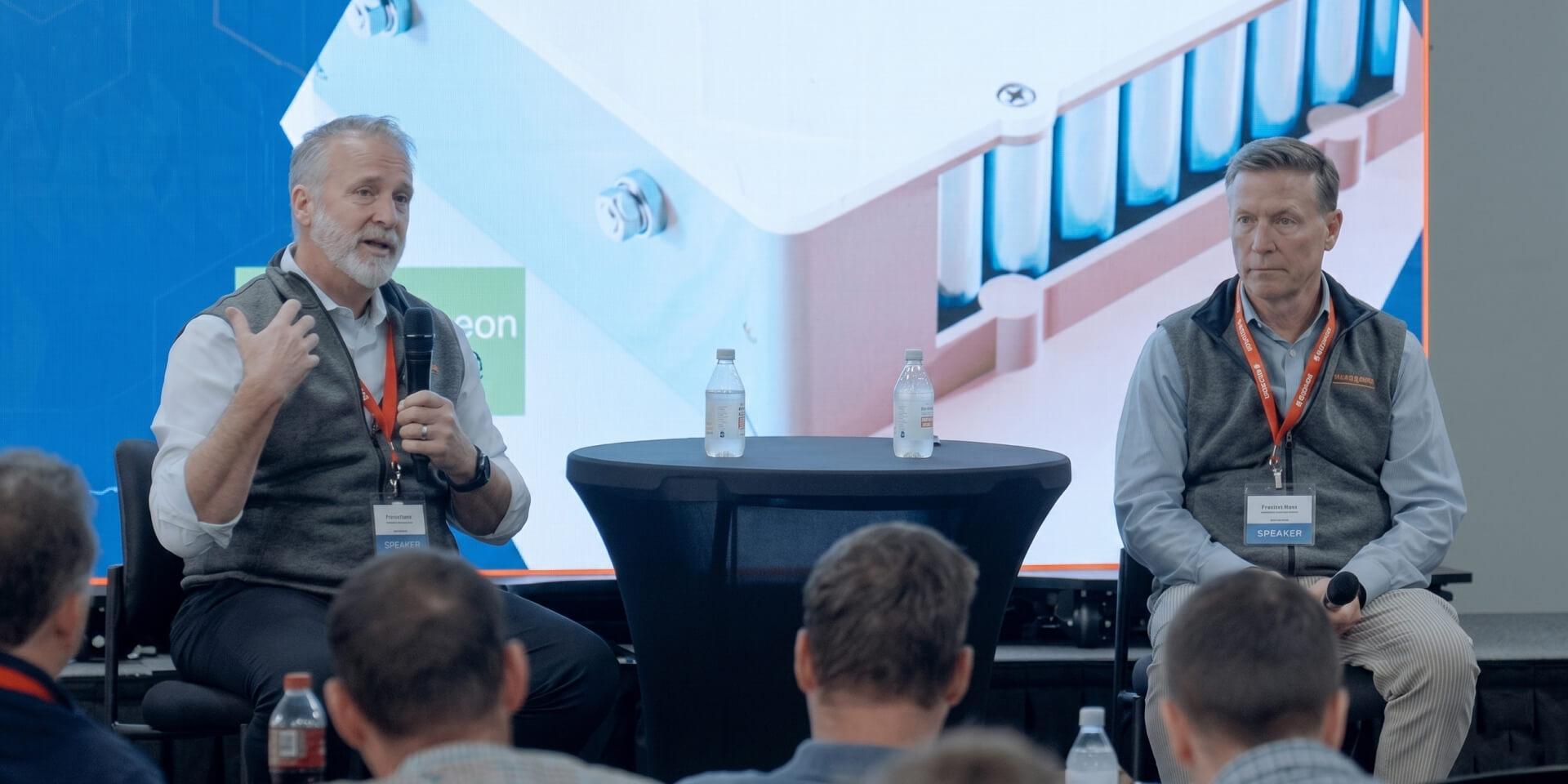
Join Industry Expert Ryan Paquet for Critical Insights on Lithium Battery Regulations and their Impact on Battery-Powered Medical Devices Medical device manufacturers and innovators: Don’t miss this essential session on the evolving global regulations shaping the safe transport of lithium battery-powered devices. As lithium-ion technology powers more life-saving and life-sustaining medical innovations, understanding international compliance…
-

·
Medical Device Transport Council (MDTC)
HazMat Safety Consulting is proud to provide administrative leadership for the Medical Device Transport Council (MDTC), formed in 2014 to advance the safe transportation of medical devices—especially those classified as dangerous goods, such as lithium batteries, compressed gases, or biological substances.
-
·
Organization Consulting
HazMat Safety Consulting helps organizations structure themselves for success in highly regulated dangerous goods environments.
-

·
Penalty Remediation Support
HazMat Safety Consulting supports organizations responding to civil penalties and enforcement actions related to alleged dangerous goods noncompliance.
-
·
Petitions for Rulemaking
HazMat Safety Consulting helps organizations pursue thoughtful, effective updates to dangerous goods regulations.
-

·
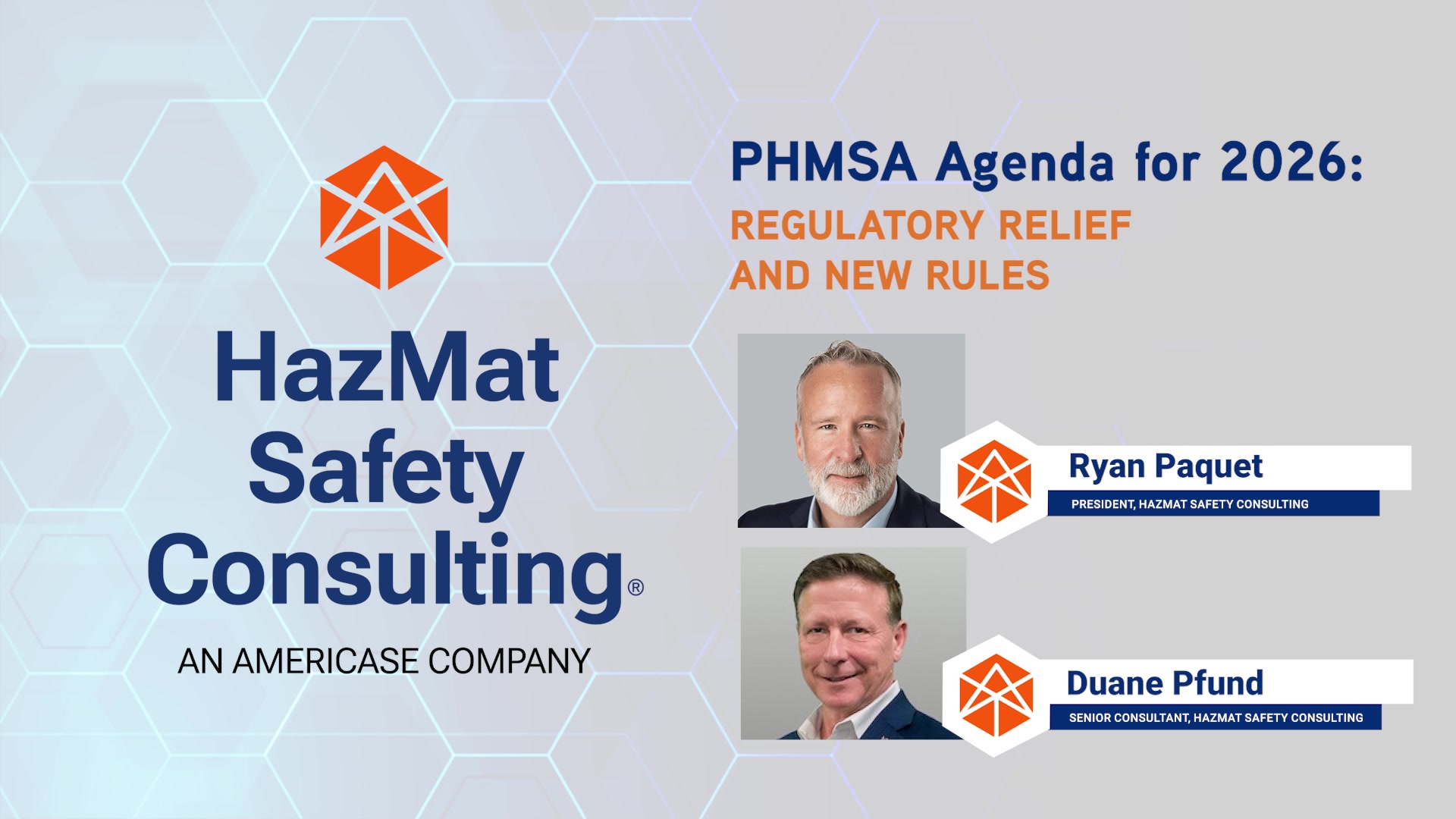
PHMSA Agenda for 2026: Regulatory Relief and New Rules
Join former U.S. DOT PHMSA Office of Hazardous Materials Safety leaders Ryan Paquet and Duane Pfund, now with HazMat Safety Consulting, to gain insight into how emerging policy direction may influence hazardous materials classification, packaging, training, and transportation decisions. Deep dive into PHMSA’s 2026 regulatory agenda including the strategic breakdown of regulatory relief rules (10…
-

·
Preparing for a DOT Enforcement Visit
Article Summary Seeing a DOT inspector at your door can be nerve-wracking—but it doesn’t have to be. With the right preparation, your team can handle an inspection with confidence and even use it as an opportunity to improve. Why Inspectors Show Up Common triggers for inspections include: Your Inspection-Readiness Plan What to Remember During the…
-
·
Pyrotechnics and Fireworks Safety: Regulatory Compliance and Dangerous Goods Expertise
When the show must go on, safety and compliance must lead the way. Join HazMat Safety Consulting and the American Pyrotechnics Association University (APAU) for a discussion on the regulatory framework governing fireworks and pyrotechnic materials, including practical strategies for maintaining compliance and reducing operational risk.
-

·
Remote DOT Hazmat Training for a Nationwide Lithium-Ion Battery Workforce
An equipment manufacturer needed a scalable, DOT-compliant training solution for a geographically dispersed lithium-ion battery workforce. HSC built it.
-
·
Responding to a Notice of Probable Violation
Article Summary A Notice of Probable Violation (NOPV) from the DOT is serious—but it’s not the end of the road. This formal notice outlines alleged violations and potential penalties, and it starts a strict 30-day countdown for your response. Your Options Under 49 CFR Part 107, Subpart D Within 30 days of receiving the NOPV,…
-
·
Risk Reduction and Root Cause Analysis: Lessons Learned from Real Incidents
Learn from others’ mistakes before they become yours. When hazardous materials incidents occur, identifying the true root cause is critical to preventing recurrence and strengthening safety programs. Join our upcoming LinkedIn Live webinar to explore systematic approaches to incident investigation, root cause analysis, and turning lessons learned into meaningful safety improvements. Drawing on case studies…
-

·
Second-Life Applications for Used Lithium-Ion Batteries
Explore how second-life lithium-ion batteries support safe, sustainable energy storage and what manufacturers must consider before repurposing them.