Article Summary
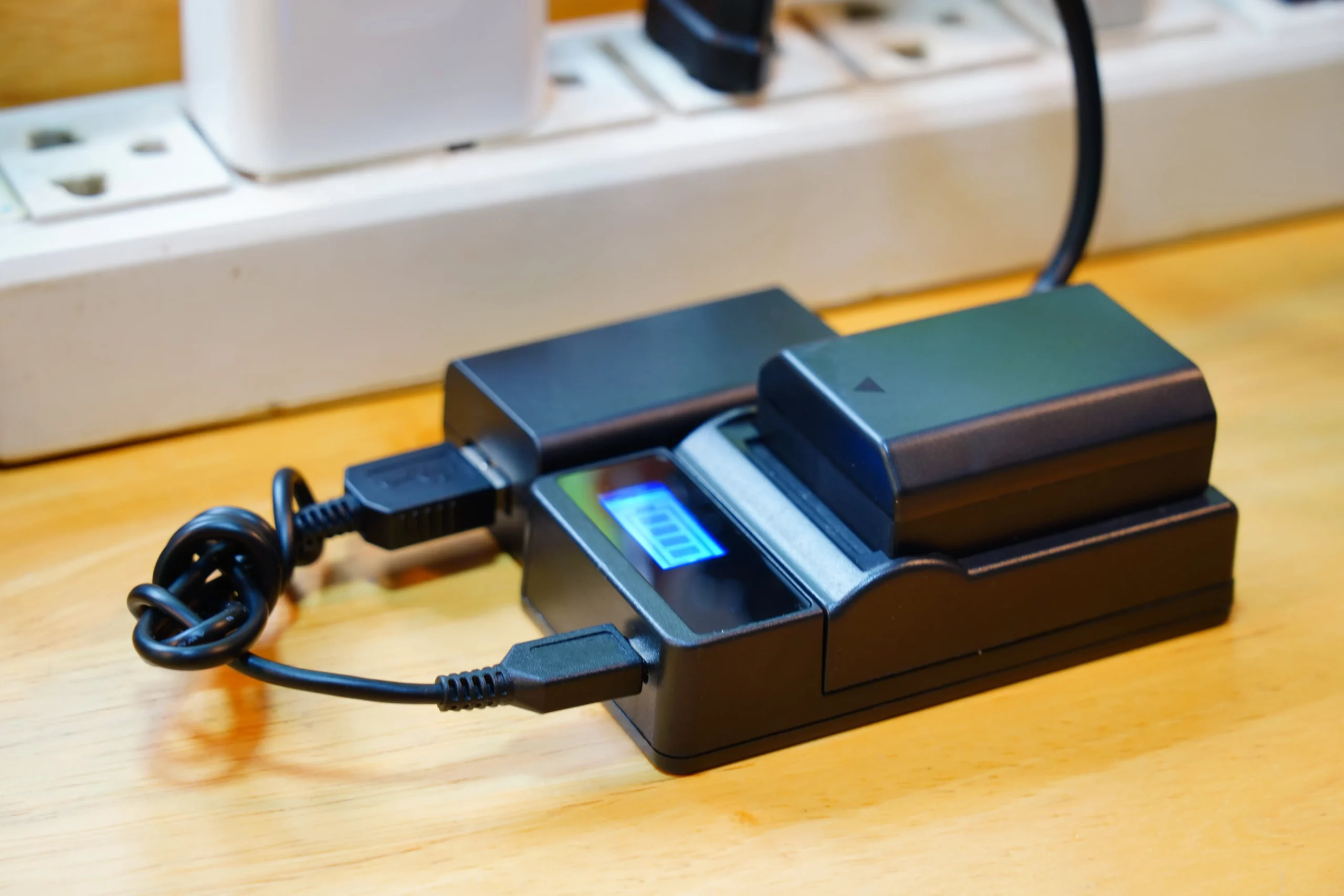
One of the best-known rules in lithium-ion battery transport is ICAO’s 30% state-of-charge rule, and this article explains both why it exists and why it isn’t enough on its own. Lithium-ion batteries are safest when they carry less stored energy: ICAO determined that at or below 30% charge, batteries have less stored energy (reducing fire risk), generate less heat if they fail, and are more stable during transport, which is why the rule became a cornerstone of air transport safety. But the article is direct about its limits — not all batteries can be verified at 30% charge, particularly used batteries moving through resale and distribution channels, and some batteries, like those in certain medical devices, must ship fully charged out of practical necessity. Because state-of-charge restrictions alone don’t eliminate risk, the article argues that packaging has to provide independent protection regardless of a battery’s charge level, and points to the SAE G27 Lithium Battery Packaging Performance Committee’s work developing stronger, performance-based packaging standards as the next layer of protection. The overall message: the 30% rule helps, but comprehensive lithium battery safety requires a layered approach that combines charge-level regulation with robust, thermal-event-containing packaging.
One of the most well-known lithium-ion battery transport regulations is the 30% state-of-charge rule, mandated by the International Civil Aviation Organization (ICAO). This rule is based on the fact that lower charge levels reduce the risk of thermal runaway.
But is this rule enough? And why do industry experts still push for stronger packaging regulations despite this limit?
Why the 30% Rule Exists
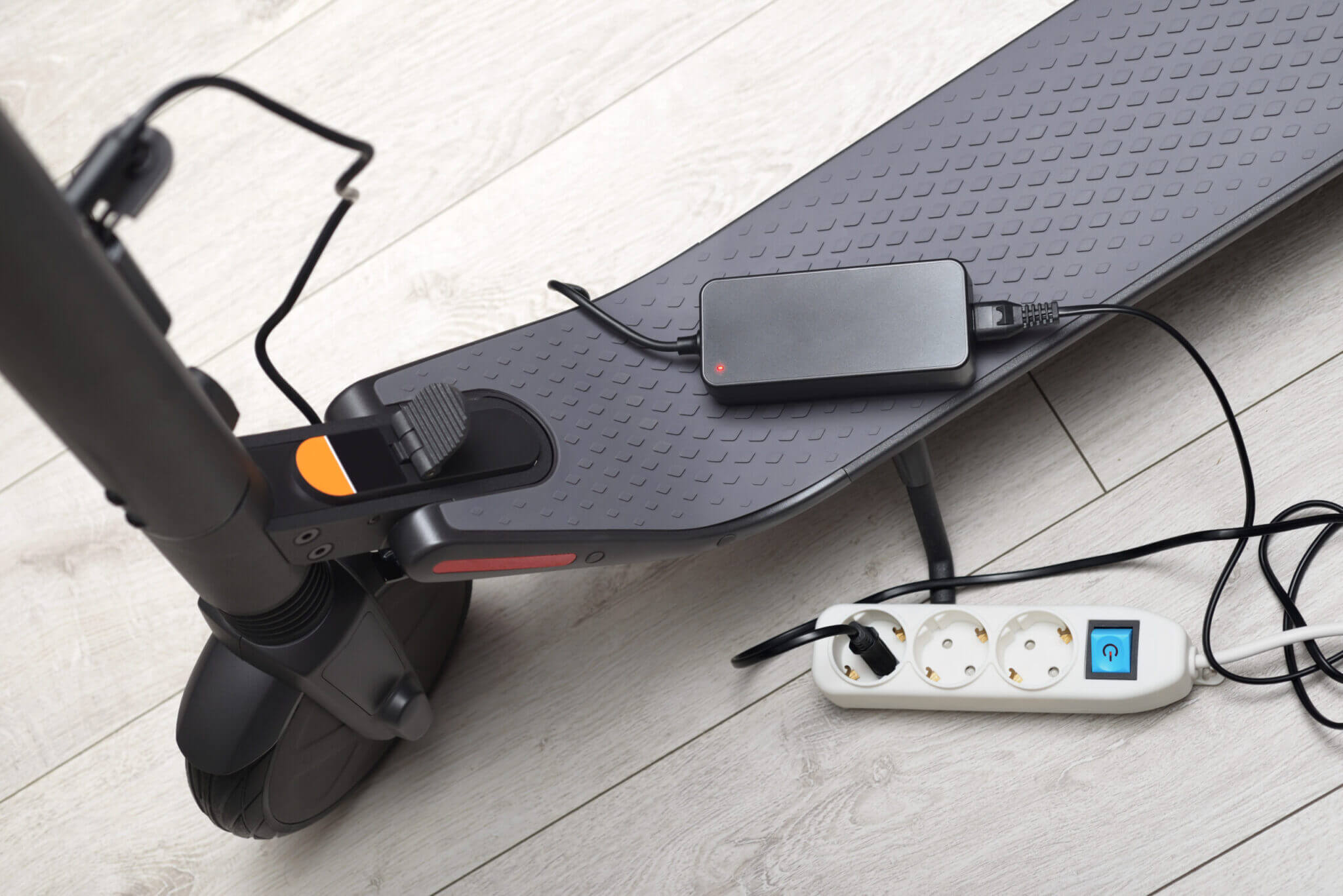
Lithium-ion batteries are safest when they contain less stored energy. ICAO determined that at or below 30% charge, batteries:
- Have less stored energy, reducing fire risk.
- Generate less heat in case of failure.
- Are more stable during transport.
While effective, the rule has limitations, which is why the SAE G27 Lithium Battery Packaging Performance Committee is working to improve transport safety.
Why Additional Packaging Standards Are Still Needed
- Not all batteries can be verified at 30% charge (e.g., distributors reselling used batteries).
- Some batteries must be shipped fully charged (e.g., medical devices).
- Packaging ensures safety regardless of charge level.
Conclusion
The 30% rule helps, but stronger packaging solutions are necessary to ensure comprehensive lithium battery safety. The G27 standard is the next step in making global battery transport safer.
Do you have questions about your company’s compliance? Schedule a quick call with our expert today.
FAQ
Q: What is the 30% state-of-charge rule for lithium batteries? A: It’s a rule mandated by the International Civil Aviation Organization (ICAO) requiring lithium-ion batteries to be at or below 30% charge for air transport. Lower charge levels mean less stored energy, which reduces fire risk, lowers heat generation if a battery fails, and improves overall stability during transport.
Q: Why does lower battery charge reduce transport risk? A: Batteries with less stored energy pose less fire risk, generate less heat in the event of a failure, and remain more stable overall — which is why ICAO determined 30% charge or below significantly reduces thermal runaway risk during air transport.
Q: Can all lithium batteries be shipped at 30% charge? A: No. Not all batteries can be verified at 30% charge — distributors reselling used batteries may not be able to confirm or control charge levels — and some batteries, particularly those in certain medical devices, must ship fully charged out of necessity.
Q: Does the 30% rule alone make lithium battery transport safe? A: No. While effective, the 30% rule has practical limitations, since not every battery can be shipped at reduced charge. The article argues that packaging needs to provide protection independent of charge level to ensure safety regardless of a battery’s state of charge.
Q: What is the SAE G27 committee doing to address these gaps? A: The SAE G27 Lithium Battery Packaging Performance Committee is developing stronger, performance-based packaging standards designed to improve transport safety as a layer of protection that complements — rather than replaces — state-of-charge rules like the 30% requirement.
Q: What does comprehensive lithium battery transport safety require? A: According to the article, comprehensive safety requires a layered approach: state-of-charge regulations like the 30% rule combined with stronger, evolving packaging standards, since no single measure is sufficient on its own to eliminate transport risk.