Article Summary
Lithium-ion batteries are inherently safe when properly designed, tested, and handled. In rare cases, however, misuse, improper shipping, damage in transit, or manufacturing defects can make them a significant risk. Lithium batteries have existed for decades, but they became commonplace only in the last 10 to 20 years, and that is when the volatility of cells and batteries in thermal runaway became widely recognized. Current UN regulations separate lithium batteries by just two chemistries, lithium ion and lithium metal. This article explains how the UN Informal Working Group (IWG) on Hazard-Based Classification of Lithium Batteries and Cells is working to add more granular categories with more stringent requirements. The committee deliberately pushes batteries into thermal runaway and assesses the level of danger each one poses. This lets it determine the safest way to ship each type, from basic UN packaging to robust packaging and containers designed to control thermal runaway hazards. The end goal is a concise “if this, then this” decision tree that helps regulators, manufacturers, OEMs, and every business that handles lithium products decide how to package and ship a battery according to its risk and volatility. Americase CEO Robby Kinsala and Chris Egloff, VP of Sales for the Lithium & Hazmat Division, were invited to the committee by the Portable Rechargeable Battery Association (PRBA) and the Medical Device Transport Council (MDTC), and both serve as writing and voting members.
The safety of lithium-ion batteries is often contested today, but we believe that with proper design, testing, and handling, these products are inherently safe; Although in rare cases either through misuse, improper shipping, damaged while shipping or manufacturing defect, lithium batteries can pose a significant risk. With this in mind, Americase team members Robby Kinsala and Chris Egloff actively participate in the efforts of regulatory organizations across the globe to develop standards to ensure safe shipping of lithium batteries. The UN IWG on Hazard-based Classification of Lithium Batteries and Cells is one of the committees in which Americase is proudly involved.
The United Nations (UN) & the Informal Working Group on Documentation and Other Procedural Questions (IWG)
The UN IWG was established in June of 1993 with the goal of studying and making recommendations for the improvement of the Council’s working methods and practices. Since then, the IWG has been a subsidiary of the overarching Council and has addressed a variety of issues concerning its documentation and other procedural questions.
The UN IWG on Hazard-based Classification of Lithium Batteries and Cells
Across the globe, all hazardous materials are assessed and assigned specific regulations to ensure safe handling and transportation. Lithium batteries have been around for decades, but they have not become commonplace until the last 10-20 years, which is when the world recognized the volatility of these goods when cells and batteries go into thermal runaway. The UN is putting a lot of thought and consideration in how to safely ship lithium batteries. Currently, the regulations only divide lithium batteries based on two battery chemistries: Lithium ion and lithium metal. The UN IWG knows more granularity is needed and, as a result, working toward establishing more categories and stringent requirements to ensure safety.
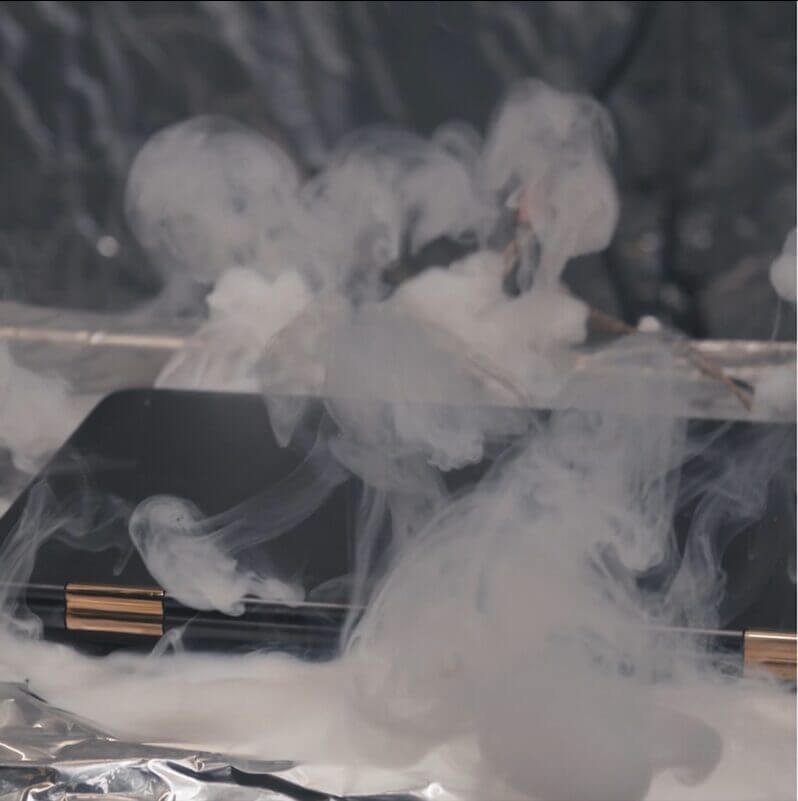
Today, the committee is testing batteries by pushing them into thermal runaway and assessing the levels of danger and risk posed during the test. This helps the committee to evaluate all the different batteries and determine the safest way to ship them, from basic UN packaging all the way to a robust packaging and containers designed to control the hazards of a thermal runaway. Eventually, the goal will be to create concise recommendations based on an “if this, then this” decision tree to help regulators, manufacturers, OEMs and all other businesses involved with lithium products determine and understand how to safely package and ship according to the potential safety risk and volatility of any given battery.
UN IWG & Americase
Americase has always proactively collaborated with our partners and customers to develop innovative solutions to even the toughest hazardous materials or high value goods shipping challenges. Regulatory committees and organizations are also our partners, and we actively collaborate with them to support their goals of creating regulatory standards to ensure safe shipping practices across all businesses working with lithium products.
Americase’s Robby Kinsala, CEO, and Chris Egloff, VP of Sales for Lithium & Hazmat Division have been invited to the committee by Portable Rechargeable Battery Association (PRBA) and Medical Device Transport Council (MDTC) due to their extensive and invaluable expertise. They are both writing and voting members of the UN IWG.
For more information on the UN IWG committee and its work, check out its overview on the UN website, and to learn more about how Americase executes on its commitment to innovative problem-solving products and work within the lithium and hazardous goods industry, check out our page on our Regulatory Body Work or connect with us today.
FAQ
Q: Are lithium-ion batteries dangerous to ship? A: When properly designed, tested, and handled, lithium-ion batteries are inherently safe products. In rare cases, misuse, improper shipping, damage during shipping, or a manufacturing defect can cause a lithium battery to pose a significant risk, particularly if cells or batteries go into thermal runaway.
Q: How are lithium batteries currently classified under UN regulations? A: Current UN regulations divide lithium batteries by only two chemistries: lithium ion and lithium metal. The UN IWG on Hazard-Based Classification recognizes that more granularity is needed to reflect the different risks different batteries pose.
Q: What is the UN IWG on Hazard-Based Classification of Lithium Batteries and Cells working toward? A: The working group is establishing more lithium battery categories, each with more stringent requirements based on hazard. The goal is shipping rules that reflect how dangerous a specific battery actually is, rather than relying only on whether it is lithium ion or lithium metal.
Q: How does the committee evaluate the hazards of different lithium batteries? A: The committee tests batteries by pushing them into thermal runaway and assessing the level of danger and risk each one poses. The results help determine the safest way to ship each battery type, ranging from basic UN packaging to robust packaging and containers designed to control the hazards of a thermal runaway.
Q: What is the “if this, then this” decision tree for lithium battery shipping? A: It is the working group’s eventual goal: a set of concise recommendations organized as a decision tree. It will help regulators, manufacturers, OEMs, and other businesses that handle lithium products determine how to safely package and ship a battery based on its potential safety risk and volatility.
Q: How is Americase involved in the UN IWG? A: Americase CEO Robby Kinsala and Chris Egloff, VP of Sales for the Lithium & Hazmat Division, were invited to the committee by the Portable Rechargeable Battery Association (PRBA) and the Medical Device Transport Council (MDTC) because of their expertise. Both are writing and voting members of the UN IWG.