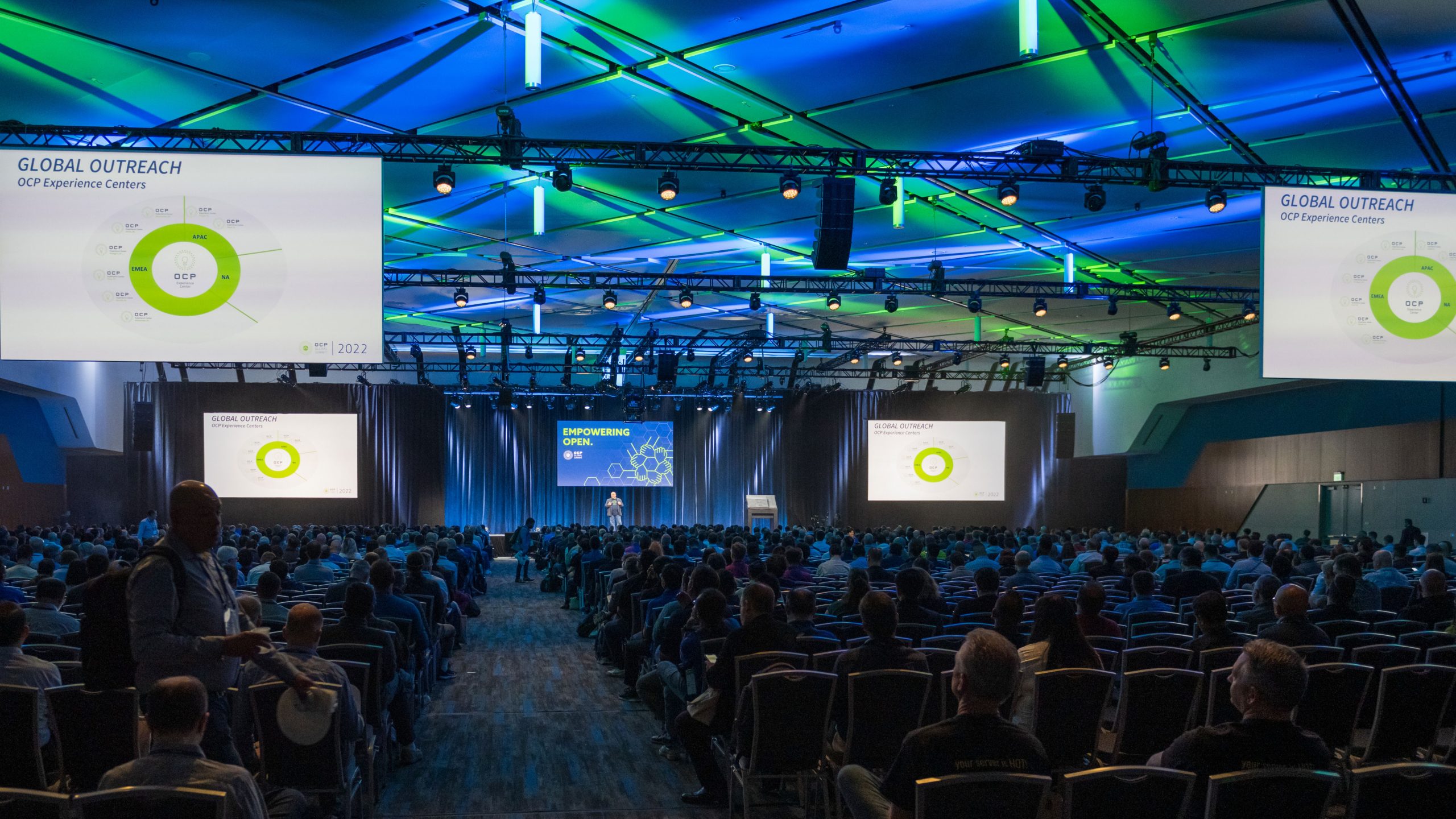
Oct. 15 OCP Global Summit panel will draw on a January 2026 Open Compute Project white paper to help operators navigate conflicting energy storage codes.
Published Oct. 12, 2026 | Last updated Oct. 12, 2026
Key Facts
- What: Americase International is taking part in an Open Compute Project (OCP) Global Summit panel titled “The Compliance Gap: ESS Safety in the Age of AI Infrastructure,” Mike Pagel of HazMat Safety Consulting, an Americase International company, speaking on a panel moderated by Joel Chakkalakal of Americase, an Americase International company.
- When and where: Thursday, Oct. 15, 2026, 8:40–9:05 a.m. PDT, Room 210CG, San Jose Convention Center, San Jose, Calif. The summit is an in-person event.
- Why it matters: Rules for shipping, installing, storing and disposing of data center lithium batteries differ across countries and jurisdictions, and operators are left to reconcile them as AI drives demand growth for battery energy storage systems (ESS).
- Source material: The session draws on the OCP white paper “Requirements for Energy Storage Systems Used in Data Centers,” published in January 2026.
- Panel: Joel Chakkalakal (moderator, Americase), Mike Pagel (HazMat Safety Consulting), Shrikanth “Sri” Venkateshappa (Anord Mardix, a Flex company) and Mauro Leuce (Digital Realty).
- Context: On Sept. 26, 2025, a lithium-ion battery fire at South Korea’s National Information Resources Service data center in Daejeon affected 647 government information systems, according to South Korean authorities.
- Definition: Regulation is behind investment: Rules for shipping, installing, storing and disposing of data center lithium batteries differ across countries and jurisdictions, and operators are left to reconcile them as AI drives demand growth for battery energy storage systems (ESS).
WAXAHACHIE, Texas – Oct. 12, 2026 – Rules for shipping, installing, storing and disposing of data center lithium batteries differ across countries and jurisdictions, and operators are left to reconcile them as AI drives demand growth for battery energy storage systems (ESS). Americase International will address that “compliance gap” in a panel at the 2026 Open Compute Project (OCP) Global Summit, Oct. 12–15 at the San Jose Convention Center, with two Americase International team members participating.
Battery failures in critical infrastructure can have far-reaching consequences. On Sept. 26, 2025, a lithium-ion battery fire at South Korea’s National Information Resources Service data center in Daejeon affected 647 government information systems, disrupting public services nationwide. Officials said the fire started in an uninterruptible power supply (UPS) battery being relocated during maintenance. The incident shows why consistent rules for handling, relocating and replacing batteries matter as data centers expand their energy storage capabilities.
The Oct. 15 session, “The Compliance Gap: ESS Safety in the Age of AI Infrastructure,” will explore findings from the Open Compute Project’s white paper, Requirements for Energy Storage Systems Used in Data Centers, published in January 2026. The paper compiles the worldwide codes and standards that apply to energy storage in hyperscale and AI data centers, a growing challenge as these systems become more widespread and complex. Mike Pagel, Senior Consultant at HazMat Safety Consulting, an Americase International company, and a contributing author of the white paper is on the panel, moderated by Joel Chakkalakal, Director of Data Centers and Sustainability at Americase, an Americase International company.
“Investment in energy storage for AI data centers is moving faster than the regulations that govern it, and operators often don’t know what they really have until the batteries are tested and classified. Too often, they find out when a shipment is held, a permit is delayed or an insurer pushes back,” said Mike Pagel, Senior Consultant at HazMat Safety Consulting and a contributing author of the white paper. “This panel is about replacing guesswork with clear, practical steps teams can act on right away.”
The 25-minute session, part of the OCP Ready™ Facilities / Power & Energy track, will examine how U.S. and international codes governing battery transportation, installation and operation overlap and conflict, whether emerging chemistries such as nickel-zinc should be treated differently from lithium-ion under current codes, and what operators, equipment manufacturers (OEMs) and supply chain partners can do now to identify compliance gaps and reduce risk exposure.
Moderator and Panelists
| Panelist | Title and company | Background |
|---|---|---|
| Joel Chakkalakal (Moderator) | Director of Data Centers and Sustainability, Americase, an Americase International company | An active member of the OCP community, Chakkalakal brings expertise in supply chain challenges, regulatory compliance and data center safety. |
| Mike Pagel | Senior Consultant, HazMat Safety Consulting, an Americase International company | A contributing author of the white paper, Pagel specializes in lithium battery transportation regulations and helped inform the paper’s guidance on dangerous goods transportation, regulatory compliance and lifecycle safety. |
| Shrikanth “Sri” Venkateshappa | Director of Accounts DACH, Anord Mardix, a Flex company | Venkateshappa was a work stream lead and author of the white paper. |
| Mauro Leuce | Senior Director, Global Design & Engineering Standards, Digital Realty | A co-author of the white paper, Leuce brings an operator’s perspective on the challenges of deploying and managing energy storage systems across different regulatory environments. |
Session Details
| Field | Detail |
|---|---|
| Session | The Compliance Gap: ESS Safety in the Age of AI Infrastructure |
| Track | OCP Ready™ Facilities / Power & Energy |
| Date | Thursday, Oct. 15, 2026 |
| Time | 8:40–9:05 a.m. PDT |
| Location | 2026 OCP Global Summit, San Jose Convention Center, Room 210CG, San Jose, Calif. |
For additional information about the session, visit Americase International’s event page.
Key Topics
The panel will explore:
- How U.S. and international regulations impact the transportation, installation and operation of energy storage systems in data centers
- How the January 2026 OCP white paper can help operators and OEMs navigate evolving battery safety and compliance requirements
- Practical steps organizations can take to identify compliance gaps, reduce risk and prepare for emerging battery technologies
Frequently Asked Questions
Who should attend this session?
Hyperscale and colocation operators, facilities and fire protection engineers, hardware OEMs, procurement and supply chain leaders, and anyone responsible for permitting, insuring or deploying energy storage at scale.
Does the session cover only U.S. codes?
No. Panelists will address how NFPA 855, the National Fire Protection Association’s standard for installing stationary energy storage systems, is widely adopted by U.S. jurisdictions but is not legally binding in markets such as Germany, Japan or Singapore, and how operators manage differing local requirements across the more than 15 countries profiled in the white paper’s appendix.
Do attendees need to read the OCP white paper beforehand?
No. The panel is designed to make the white paper’s findings accessible without prior familiarity, and the session includes time for audience questions.
What is “The Compliance Gap” session?
It is a 25-minute panel at the 2026 OCP Global Summit on Thursday, Oct. 15, 2026, 8:40–9:05 a.m. PDT, in Room 210CG at the San Jose Convention Center, part of the OCP Ready™ Facilities / Power & Energy track. Joel Chakkalakal of Americase moderates, joined by Mike Pagel, Shrikanth “Sri” Venkateshappa and Mauro Leuce.
What is the OCP white paper behind the session?
“Requirements for Energy Storage Systems Used in Data Centers” was published in January 2026 by the OCP Ready™ Facilities project. It details the worldwide codes and standards followed by operators deploying energy storage systems and provides guidelines for safe design, operation, risk mitigation and maintenance. It also covers battery chemistries, testing, fire suppression, the transportation of lithium-ion batteries, and hazard mitigation and emergency response planning.
What is the Open Compute Project (OCP)?
The Open Compute Project is a collaborative community that develops and shares open specifications and designs for data center infrastructure, from servers and racks to power, cooling and facilities. It was initiated by Facebook in 2011. Its annual OCP Global Summit takes place Oct. 12–15, 2026, in San Jose, California.
What is NFPA 855?
NFPA 855 is the National Fire Protection Association’s Standard for the Installation of Stationary Energy Storage Systems. The white paper describes it as the consensus benchmark for installing energy storage systems. It carries legal force only where a jurisdiction adopts it.
Why do data center battery regulations differ from country to country?
According to the white paper, IEC standards form a common technical foundation in many countries, but national fire, building and electrical rules, permitting processes and enforcement differ. In the U.S., model codes such as NFPA 855 become enforceable only where a jurisdiction adopts them.
What happened in the Daejeon data center fire?
On Sept. 26, 2025, a lithium-ion uninterruptible power supply (UPS) battery that was being relocated at South Korea’s National Information Resources Service in Daejeon caught fire. Officials said 647 government systems were taken offline, including 96 that were directly damaged.
Can I attend the session online or register on site?
The 2026 OCP Global Summit is an in-person event only, according to OCP. As of Oct. 9, 2026, OCP lists the summit as sold out and says onsite registration will not be offered. See OCP’s event page for the current status.
Who is Americase International?
Americase International is the parent company of Americase (precision protective case engineering and manufacturing, since 1985), HazMat Safety Consulting (dangerous goods regulatory compliance consulting and training) and Fulcrum Testing (lithium battery safety and compliance testing and product performance validation). It integrates containment engineering, dangerous goods regulatory strategy, and safety and performance validation, and is headquartered in Waxahachie, Texas.
Sources and Resources
- OCP white paper: Requirements for Energy Storage Systems Used in Data Centers
- 2026 OCP Global Summit (Open Compute Project)
- Americase International event page for the session
- Daejeon data center fire reporting (Asia News Network)
- Americase International media page
About Americase International
Americase International, parent company of Americase, HazMat Safety Consulting, and Fulcrum Testing, integrates containment engineering, dangerous goods regulatory strategy, and safety and performance validation to protect what is hazardous, what is valuable, and what has never been shipped before. Americase has designed and manufactured protective cases since 1985; HazMat Safety Consulting is led by former U.S. and international regulators who helped shape today’s dangerous goods standards; and Fulcrum Testing provides lithium battery and product testing. Its conviction: containment, not just compliance. Based in Waxahachie, Texas, the company serves customers in electronics, aerospace, defense, data center, EV/automotive, energy storage, medical device and other industries. AmericaseInternational.com.
Media Contact
Becca Cooper, PR Lead
303-917-9888
press@americaseinternational.com
On-site media contact at OCP Global Summit (Oct. 12–15): Marina Malamis, Director of Marketing, 469-401-6950. Interviews available on request.