
FREE Live Webinar
Sold, Shipped, and Out of Compliance: The Dangerous Goods Crisis Hidden Inside E-Commerce
Millions of dangerous goods shipments move through online marketplaces every single day. Many aren’t compliant with federal hazmat regulations — and the platforms hosting the sale may not be the party legally responsible for what happens next.
EVENT DETAILS
Tuesday, October 6, 2026
11:00 AM – 12:00 PM CT
LinkedIn Live – Free
Session Overview
E-commerce didn’t create the dangerous goods problem — but it multiplied it by putting hazmat shipping decisions in the hands of people who never trained for them. A single online marketplace can host hundreds of thousands of independent sellers, each one a potential “offeror” of hazardous materials under U.S. Department of Transportation rules, and most with no dangerous goods training at all. Major marketplaces have already drawn a quiet but telling line: platforms like Walmart Marketplace explicitly exclude “fully regulated” hazmat, such as propane and helium tanks, chemical strike-anywhere (“forever”) matches, lighters and torches containing fuel, and strikeable or aerial road flares, from their own fulfillment services (Walmart Marketplace Learn). Amazon’s FBA program does the same. The individual seller, self-fulfilling from a garage or spare bedroom, is left holding full regulatory responsibility for a hazard class they may not be able to name. As this session describes, this is a pattern they’ve seen firsthand across enforcement cases and client work, from individual sellers offering aerosols and fuel canisters for air transport without realizing passenger aircraft restrictions apply, to major platforms now investing seriously in third-party compliance programs.
50,000+
Recalled or illegal product listings the CPSC’s eSAFE team flagged for removal from e-commerce platforms in 2023 alone
$430,000
Combined FAA penalties proposed against three shippers in a single April 2026 enforcement action
$74,250
Proposed FAA penalty against an e-bike manufacturer with zero hazmat training on record
92% vs 22%
Confidence in one’s own DG compliance, versus confidence in upstream partners’ compliance
SPEAKER 1: Former PHMSA director of approvals and permits division
/
SPEAKER 2: Formerly with hazardous materials information center within phmsa
/
linkedin live event
/
No Cost to Attend
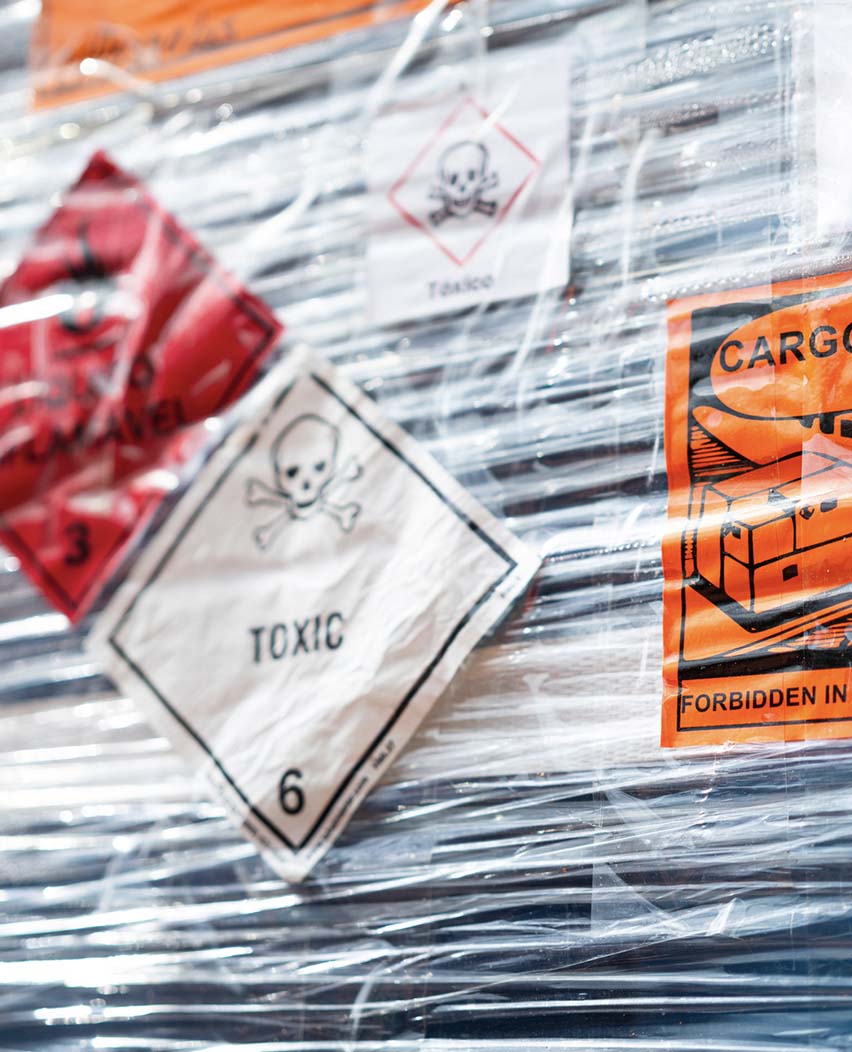
The Regulatory Reality in 2026
Why the Platform Isn’t the “Shipper”: The rule that created the gap
Under the Hazardous Materials Regulations, a “person who offers” (or offeror) is defined at 49 CFR § 171.8 as anyone who either “performs, or is responsible for performing, any pre-transportation function” — classification, packaging, marking, documentation — “or tenders or makes the hazardous material available to a carrier for transportation in commerce” (49 CFR § 171.8, Cornell LII). PHMSA clarified how this standard applies across a multi-party supply chain in a 2005 interpretive rule (Federal Register, 2005).
That standard was written for a supply chain of manufacturers, freight forwarders, and carriers — parties that physically classify, pack, and hand off a shipment. It was not written for a platform that hosts a listing, processes a payment, and lets an individual seller pack and ship the item from home. The seller who packed the box is the offeror. The platform that sold it usually isn’t.
~1,500
Reported incidents of undeclared hazmat moving through the U.S. transportation system every year, per DOT’s own “Check the Box” public-awareness campaign.
$170,000
FAA civil penalty proposed against a company in September 2025, after four undeclared lithium-battery shipments to FedEx over four months — one discovered mid-transit as a smoking package with melted batteries.
FAA.gov press release (Sept 5, 2025)
97
FAA-verified lithium-ion battery incidents on U.S. aircraft in 2025
FAA, Lithium Battery Air Incidents dashboard (data as of September 1, 2026)
8%
Increase in lithium-ion battery incidents on U.S. aircraft from 2024 to 2025
FAA, Lithium Battery Air Incidents dashboard (data as of September 1, 2026)
Real-World Impact
The CPSC ruled in July 2024 that a major online retailer was a “distributor” responsible for recalling more than 400,000 units of products, including faulty carbon monoxide detectors and noncompliant children’s sleepwear (CPSC). The company sued to overturn that determination in March 2025; the litigation remains pending (CBS News).

Session Topics
What you’ll learn on October 6
Practical guidance for every stakeholder in the e-commerce shipping chain.
Topic 01
The Shipper-Liability Gap, Explained
How the Hazardous Materials Regulation’s (HMR’s) “person who offers” standard leaves marketplace platforms outside the compliance chain.
Topic 02
From Garage to Gate
How non-compliant shipments actually move — from an untrained seller’s listing to an aircraft, a sort facility, or a delivery truck.
Topic 03
Enforcement at Scale
The real operational limits PHMSA and the FAA face as “shippers” multiply from thousands of companies to millions of sellers.
Topic 04
The Leading-Edge Response
What proactive compliance investment looks like inside a major retailer — and why it’s a strategic bet, not just a legal one.
Topic 05
Closing the Gap Before Regulators Do
What platforms, compliance teams, and 3PLs should be building now, ahead of likely regulatory change.
Topic 06
What This Means for the Small Seller
What counts as “fully regulated hazmat,” and how to know if you’re personally on the hook.
Featured Experts
Our Keynote Speakers
Two seasoned industry leaders bringing together high-level legislative and regulatory expertise with decades of practical hazmat safety and compliance advisory experience.

Ryan Paquet
President, HazMat Safety Consulting (an Americase International Company); former Director, Approvals and Permits Division, PHMSA
HAZMAT SAFETY CONSULTING
Ryan Paquet leads HazMat Safety Consulting with deep expertise in dangerous goods transportation, regulatory compliance, and risk management. As the former Director of the Approvals and Permits Division at the U.S. Department of Transportation’s Pipeline and Hazardous Materials Safety Administration (PHMSA), he brings insider knowledge of federal regulatory frameworks and enforcement priorities. He helps organizations across industries operationalize safety programs that go beyond minimum requirements to deliver real business value.
“I helped administer the rule that defines who’s responsible for a hazmat shipment. It was built for a world of manufacturers and freight forwarders — nobody wrote it with a garage seller and a marketplace checkout page in mind.”
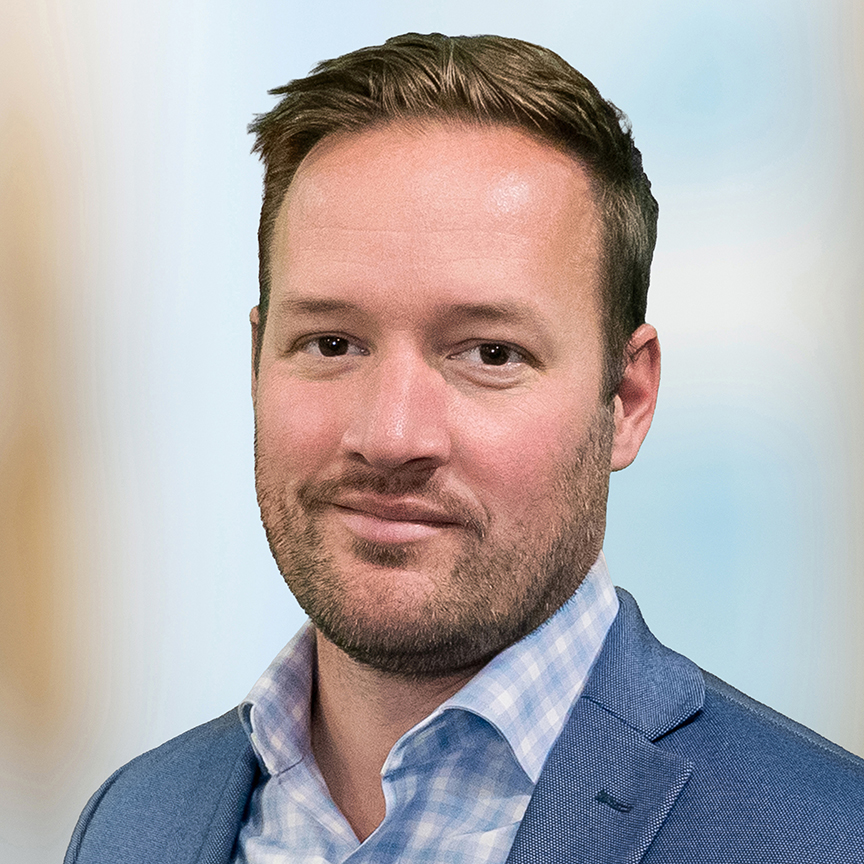
Mike Pagel
Sr. Consultant, HazMat Safety Consulting; formerly with the Hazardous Materials Information Center (HMIC) within PHMSA
HAZMAT SAFETY CONSULTING
Mike works directly with e-commerce and last-mile logistics clients — including DHL eCommerce — on dangerous goods compliance, giving him a ground-level view of how non-compliant shipments actually enter the parcel and small-package network. Mike is one of North America’s foremost experts on the transportation and storage of hazardous materials. His expertise spans not only what the regulations say today, but where they are heading as codes like NFPA 800 and NFPA 855 (2026) come into force.
“Our e-commerce clients aren’t dealing with sophisticated shippers cutting corners. They’re dealing with a first-time seller who has no idea their listing just made them legally responsible for an air shipment.”
WHO WE ARE
About the Organizers
HAZMAT SAFETY CONSULTING
HazMat Safety Consulting (HSC) provides specialized advisory services in hazardous materials safety, regulatory compliance, dangerous goods transportation, risk management, and organizational readiness. A subsidiary of Americase International, HSC partners with organizations across industries to reduce risk, improve compliance outcomes, and strengthen safety leadership where failure is not an option.
AMERICASE INTERNATIONAL
Americase International delivers end-to-end mission-critical protection solutions through integrated engineering, testing, and regulatory expertise — combining HazMat Safety Consulting, Americase, and Fulcrum Testing. Backed by more than 200 years of combined regulatory experience and nearly 50 years of engineering and manufacturing expertise, the company serves aerospace, defense, energy, medical, and technology industries worldwide.
Frequently Asked Questions
Yes — completely free. Register through LinkedIn and join the live session at no cost.
E-commerce platform managers, marketplace compliance teams, 3PL and fulfillment directors, retail operations executives, and small business owners who ship regulated products.
Yes. All registrants will receive access to the recording after the live event.
No, though air transport carries the strictest restrictions. Ground and parcel networks carry their own classification, packaging, and documentation requirements that untrained sellers routinely miss.
HazMat Safety Consulting, a subsidiary of Americase International, provides specialized advisory services in hazardous materials safety, dangerous goods transportation compliance, regulatory risk management, and organizational readiness. The firm serves organizations across industries where hazmat compliance is operationally critical.
Data Sources & Attribution
Statistics are drawn from official PHMSA, FAA, and CPSC enforcement records, Federal Register rulemaking notices, and federal court filings, supplemented by independent industry research (Consumer Reports/Consumer Federation of America, Marketplace Pulse, ShipMatrix/SJ Consulting, and Lion Technology). Figures labeled “proposed” reflect initial FAA/PHMSA civil penalty letters, which remain subject to company response, negotiation, or reduction before any final resolution. Seller-count, parcel-volume, and market-share figures are point-in-time snapshots from third-party research firms as of the dates cited and change frequently. All figures should be independently verified for your specific operations, as actual enforcement outcomes, liability determinations, and penalty amounts depend on case-specific facts.
JOIN US FOR THE WEBINAR
Join E-commerce platform managers, marketplace compliance teams, 3PL and fulfillment directors, retail operations executives, and small business owners who ship regulated products, for this live session!
Protect Your Innovation
Partner with Americase, the trusted leader in mission-critical containment.