Article Summary
DOT hazmat regulations aren’t bureaucratic red tape — this article frames them as essential safeguards, and makes the case that noncompliance carries severe consequences, from fines and litigation to contract loss and operational shutdowns. With the regulatory framework spanning more than 1,500 pages, independent interpretation isn’t practical, so the article organizes compliance around three pillars it calls the “Three C’s”: Classification, Containment, and Communication. Lithium batteries exemplify the stakes, capable of triggering thermal runaway events in cargo holds, and since a 2014 PHMSA rule, lithium battery regulations have shifted every 12 to 18 months as new safety data emerges. On classification, the article cites a real case where a mid-sized electronics distributor misclassified laptop batteries as general cargo, resulting in multimillion-dollar fines and the loss of contracts with major retailers — reinforcing that classification is the entry point that determines every downstream decision. On containment, PHMSA data shows improper packaging accounts for roughly 25% of hazmat enforcement violations, illustrated by an automotive supplier whose damaged EV batteries, stored on pallets without proper containment, triggered a thermal event, an emergency response, and the loss of a business partnership. On communication, the article notes a 2022 FAA report found that over half of aviation enforcement cases involved undeclared hazardous materials, often lithium batteries — including a logistics provider who mislabeled drone batteries as installed equipment, which came to light only after a near-miss incident led to FAA intervention, fines, and reputational damage. The article’s best-practices section recommends annual third-party audits that simulate DOT inspections, using the example of a global electronics company whose seemingly solid compliance program was caught out by new lithium battery documentation rules, triggering multimillion-dollar enforcement action and worldwide shipping delays. The overall message: the Three C’s aren’t suggestions, and as enforcement intensifies — especially around lithium battery transport — compliance is the price of staying in business.
The Thin Line Between Compliance and Catastrophe
If you think DOT regulations are just bureaucratic paperwork, you are already behind. The U.S. Department of Transportation rules aren’t there to make your life harder. They’re designed to keep your shipments from becoming liabilities. Every year, companies are blindsided by inspections that reveal their operations are out of step with the law—and repercussions go well beyond fines. Contracts vanish, lawsuits multiply, and supply chains collapse. Compliance isn’t optional. It is survival.
The problem is that DOT regulations aren’t simple. The book runs over 1,500 pages. Interpreting it is not something you can do on the fly. But there’s a lifeline: the Three C’s—Classification, Containment, Communication. They are the foundation of compliance. Ignore them, and you’re courting disaster. Lithium batteries offer a perfect example. Powering everything from headphones to EVs, they can also fuel fires, explosions, and lawsuits. The DOT’s enforcement is tightening because these threats are real—and if you don’t get proactive, your company could be tomorrow’s cautionary tale.
Classification: The First Domino That Can Topple Your Entire Operation
You can’t manage what you don’t know you’re shipping. Classification is not just a checkbox. It’s identifying hazards accurately. Lithium batteries, for example, pose a thermal runaway threat that can ignite chain reactions in cargo holds—creating heat, fire, and toxic gases. The DOT isn’t static either. Since the landmark PHMSA rule in 2014, lithium battery regulations have changed every 12–18 months—reflecting evolving risks and incidents. PHMSA’s official Lithium Battery Guide for Shippers is filled with scenario-based compliance pathways, updated as of late 2024.
We’ve seen mid-sized electronics distributors misclassify laptop batteries as general cargo. DOT inspectors caught them. The distributors paid multi-million-dollar costs in fines and lost their biggest retail contracts. Classification is not a formality. It is the starting point of safety—or a gateway to disaster.
Containment: Your Last Defense Before Disaster Strikes
Once the hazard is identified, how you package it becomes your final firewall. Packaging is not just about convenience—it must protect against the worst-case scenario. PHMSA reports show improper packaging is behind nearly 25% of all hazmat enforcement cases. That means one out of every four violations traces back to containment failure.
One automotive supplier learned this the hard way when they strapped damaged EV batteries on pallets without proper containment. A thermal event forced an emergency response, triggered a DOT action, and cost them their recycler partner. Containment isn’t a bleeding expense. It’s the bridge between compliance—and your entire logistical chain.
Communication: The Language That Can Save Lives
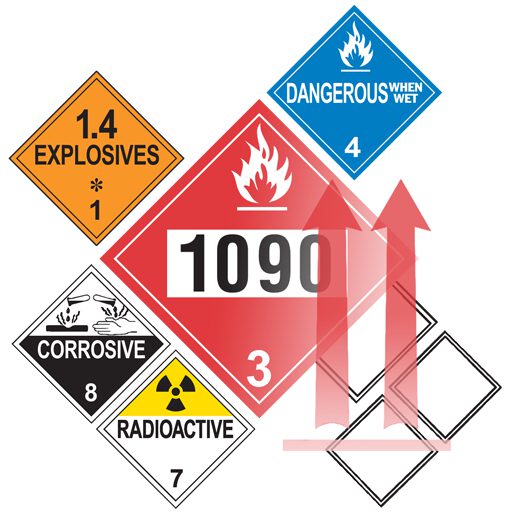
When hazmat goes wrong, it’s not your product that emergency responders care about; they care about containment, not a presentation. Communication means the correct labels, UN numbers, placards, and shipping documents. They guide first responders. A 2022 FAA report on aviation-related enforcement cases revealed that more than half involved undeclared hazardous materials—many tied to lithium batteries. Without accurate communication, you’re not just risking a fine—you’re endangering lives and inviting headlines.
Consider a logistics provider who mislabeled drone batteries as installed equipment. When the error surfaced after a near-miss incident, FAA intervened. The result was a required compliance overhaul, severe fines, and reputational damage. In hazmat, poor communication is unforgivable.
Best Practices: Future-Proofing Your Compliance Before the DOT Finds You
Here’s a fact: You can’t keep up with constantly shifting DOT regulations on your own. Smart brands enlist compliance systems. Start with annual third-party audits that replicate DOT inspections and reveal operational vulnerabilities. Lithium battery regulation is a perfect example of a volatile area—PHMSA’s 2024 Advisory Guidance co-developed with the FAA reiterates that many shippers underestimate lithium battery hazards.
One global electronics company believed its compliance program was rock-solid—until new lithium battery documentation rules surfaced. They didn’t adjust their procedures in time. The result? A multimillion-dollar enforcement action and delayed shipments worldwide. The company had the resources but lacked the agility. Best practices aren’t optional. They’re your lifeline.
Compliance Is the Price of Survival
DOT regulations aren’t bureaucratic traps—they are the framework that keeps your supply chain running safely. The Three C’s—Classification, Containment, Communication—are not suggestions. Ignoring them can bring down even larger companies. With hazardous materials where rules are constantly evolving and enforcement getting stronger, such as with lithium batteries, checking a box isn’t enough. The DOT may not be out to get you, but if you cut corners, it will. Compliance isn’t just about staying legal—it’s about staying alive.
Do you have questions about your company’s compliance? Schedule a quick call with our expert today.
FAQ
Q: What are the “Three C’s” of DOT hazmat compliance? A: Classification, Containment, and Communication. Together they form the foundation of DOT compliance — accurately classifying hazardous materials, properly containing them in transport, and clearly communicating hazards through labels, UN numbers, placards, and documentation.
Q: What happens when hazardous materials are misclassified? A: Misclassification can cascade into serious operational failure. The article cites a real case where a mid-sized electronics distributor misclassified laptop batteries as general cargo, resulting in multimillion-dollar fines and termination of contracts with major retailers.
Q: How much of hazmat enforcement activity involves improper packaging? A: According to PHMSA data cited in the article, improper packaging accounts for approximately 25% of hazmat enforcement violations, underscoring why proper containment is considered the last line of defense before a disaster occurs.
Q: How often do lithium battery transport regulations change? A: Since a 2014 PHMSA rule, lithium battery regulations have shifted every 12 to 18 months as new safety data emerges, making them one of the most frequently updated areas of hazmat compliance.
Q: What role does communication play in hazmat compliance? A: Communication — accurate labeling, UN numbers, placards, and shipping documentation — guides how emergency responders and carriers handle a shipment. A 2022 FAA report found that over half of aviation enforcement cases involved undeclared hazardous materials, often lithium batteries.
Q: What best practices help companies stay ahead of DOT compliance requirements? A: The article recommends conducting annual third-party audits that simulate DOT inspections, since regulations evolve continuously and even companies with seemingly solid compliance programs can be caught off guard by new requirements, as illustrated by a global electronics company hit with multimillion-dollar enforcement action after missing new lithium battery documentation rules.